The finish carpenter’s field manual.
Twenty-plus years of doors, trim, and stairs - the techniques, tolerances, and sequences we actually use on the job. Every guide free, no filler.
Straight to the work.
Find the kind of work in front of you. Each category brings its guides together in one place.
Doors
29Pre-hung, slab, exterior, pocket, bifold - hung plumb with even door gaps.
View guides →Moldings
28Baseboard, casing, crown, jamb extensions, window frames - tight and gap-free.
View guides →Stairs & Handrails
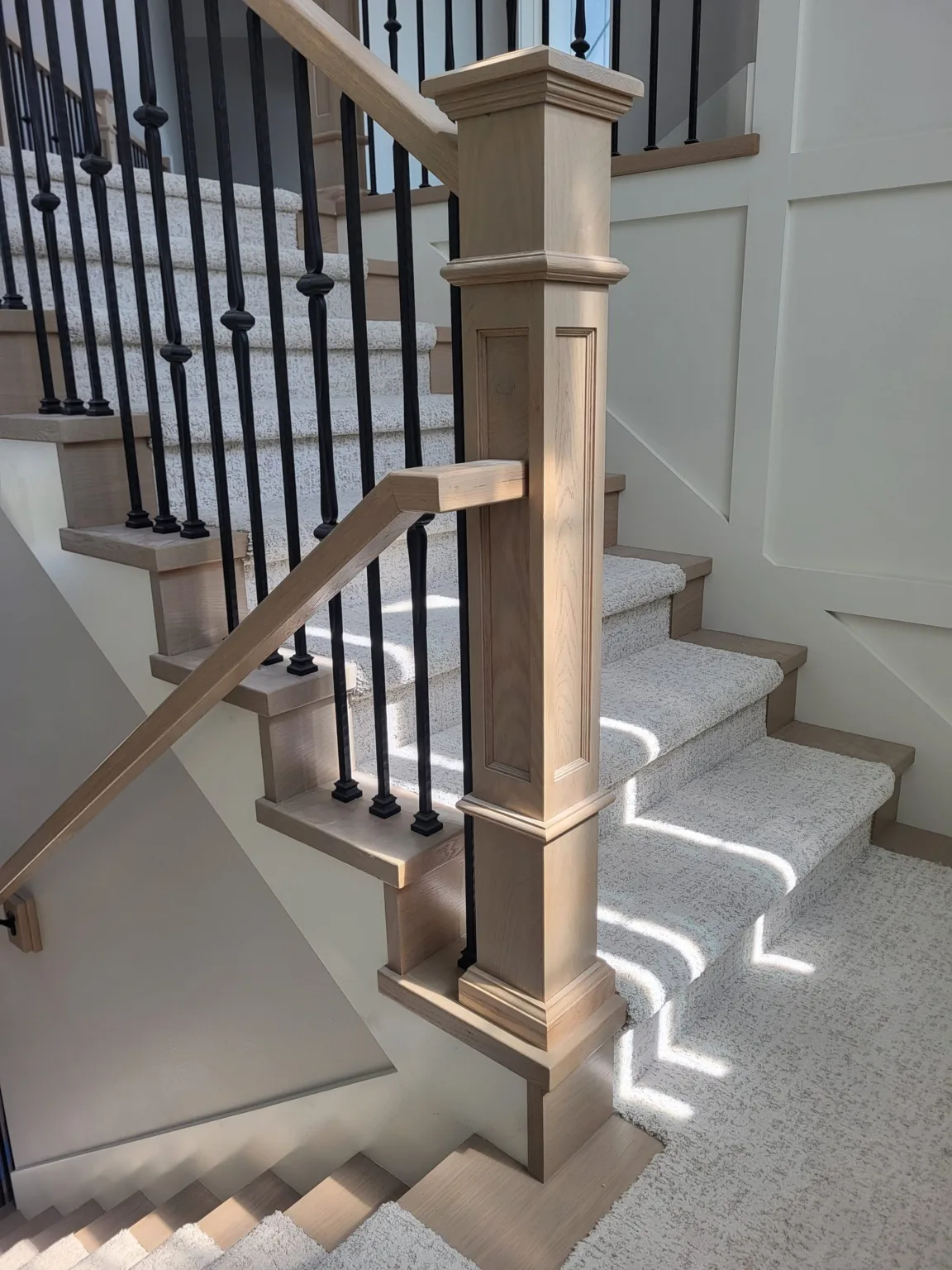
22Skirt boards, newel posts, metal balusters, garage steps, wall-mount rails.
View guides →Specialty
21Shiplap walls, ceilings, and three-sided fireplace wraps at every height.
View guides →Closets
7Standards, layout design, and building basic shelving that holds.
View guides →Hardware
10Locksets and bath accessories set clean, level, and solid.
View guides →Start with these jobs.
Four useful guides, with the skill level shown before you begin.
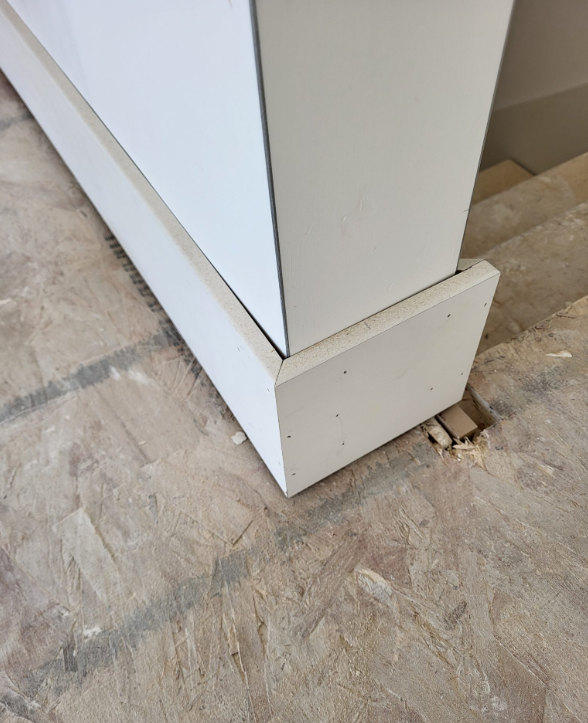
Install Baseboard
Measure, cut, join, and fasten baseboard on walls and floors that are rarely perfect.
Read the guide →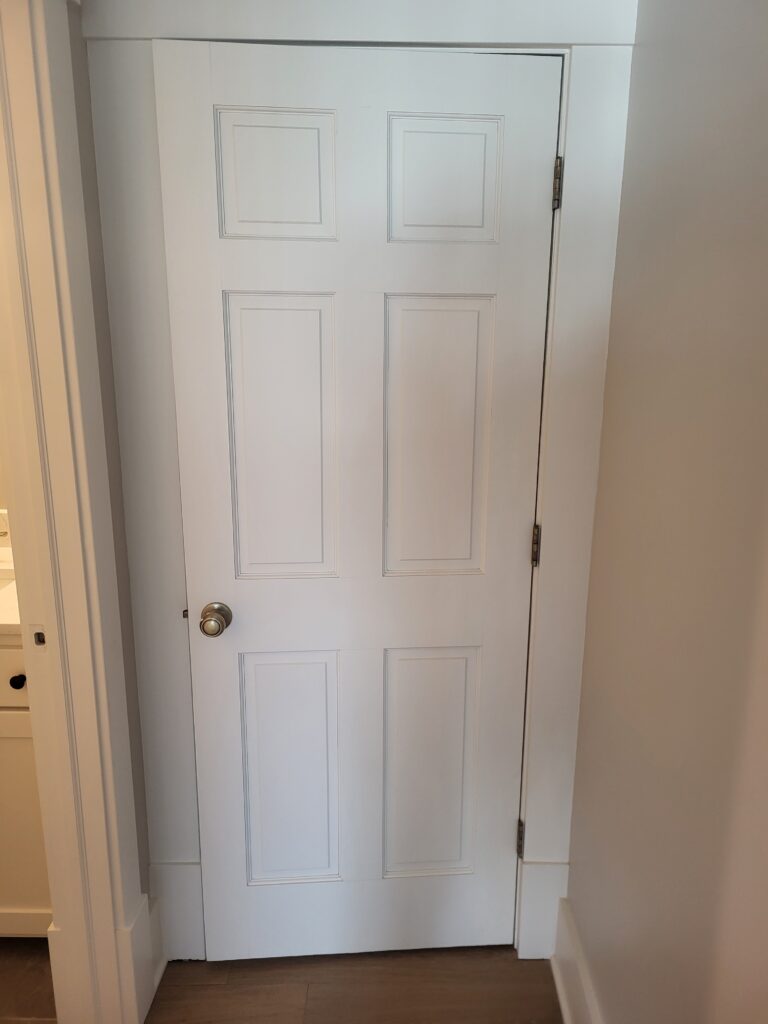
Hang a Standard Interior Door
Start with a 6-foot-8 hollow-core prehung door. Learn the checks that help it swing freely and latch.
Read the guide →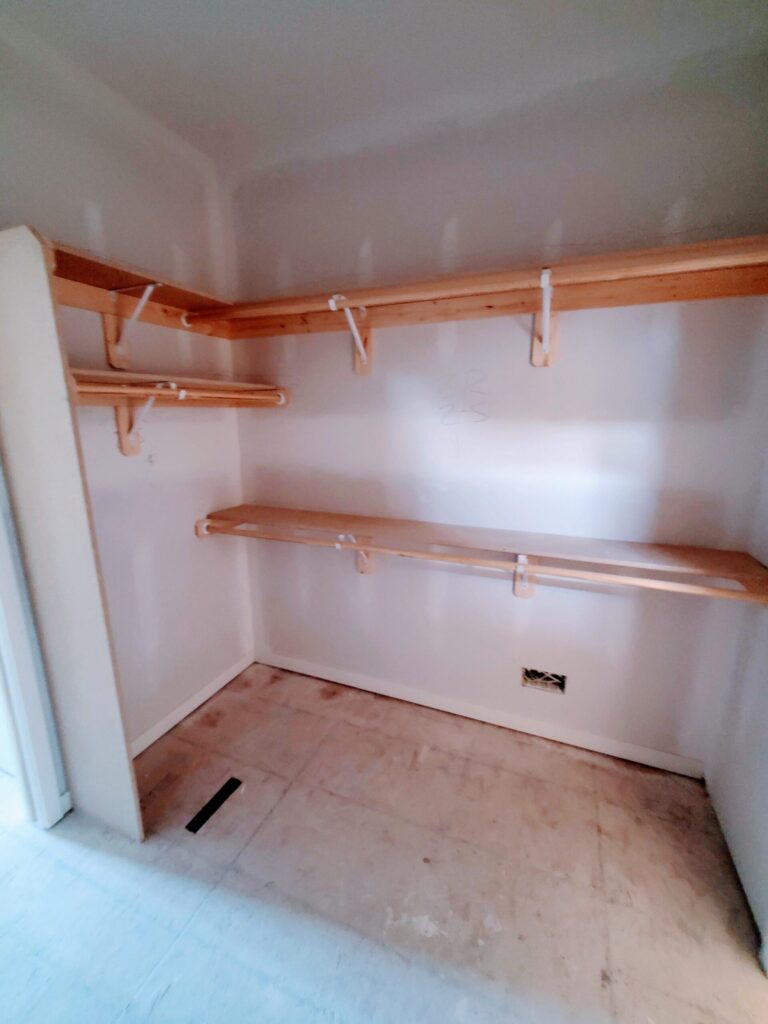
Understand Closet Shelving
Learn the standards first, then work through layout and building basic shelves.
Read the guide →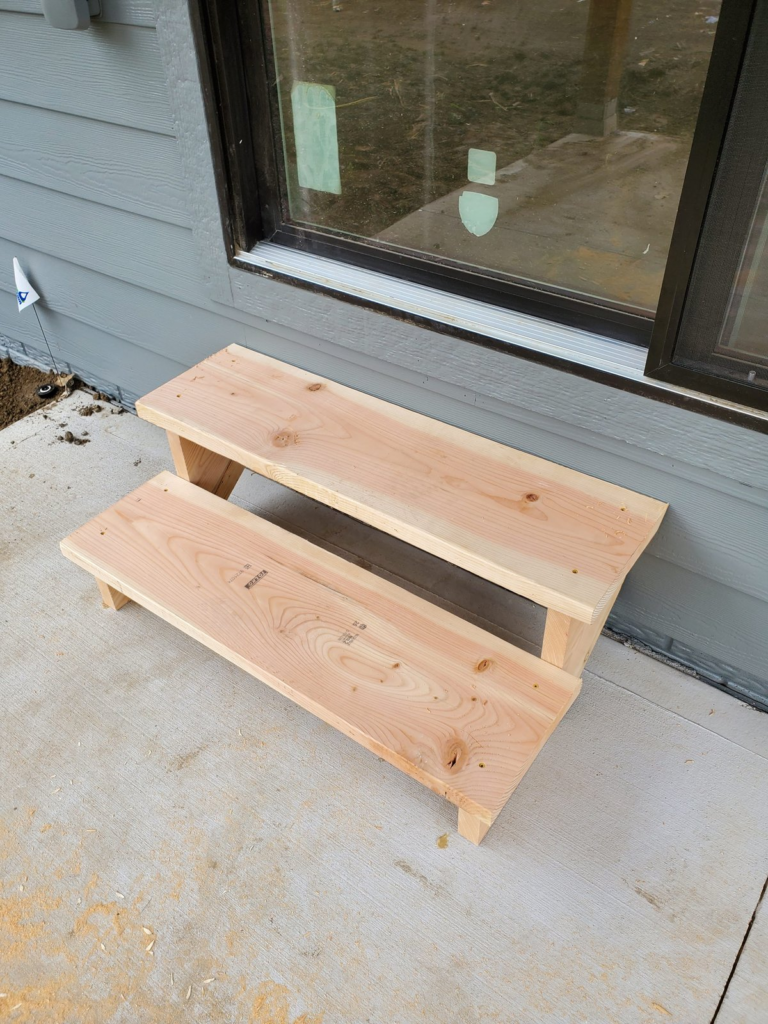
Build Garage Steps
Work through the rise, layout, assembly and final checks. Read the safety and landing requirements first.
Read the guide →Written by working carpenters - not copywriters.
Every guide reflects how we actually do the work: not theory, not textbook answers, but methods drawn from our finish-carpentry jobs.
Know what to reach for.
Tools, their uses, and the kit behind the guides. Recommendations start with our jobsite experience and tool records.
Keep the tool reference in your truck.
Nailer gauges, level uses, supplies and setup checks, with real tool photos and links. Free to download; no signup required.
Download the free tool reference →Pass the trade on.
Let's Build Stuff began as Sun's Up Construction's training library: a way for new carpenters to learn the job without pulling a lead away from the work. We're fourth-generation carpenters, and passing the trade down is the point.
The lessons were useful to our crews, so we made them public. Homeowners, apprentices and working carpenters can use the same free reference, with steps, quality checks and help when something goes wrong.
More about us →