Start Here
Pick a job, see the standard, then work through the steps. Every guide is free.
Learning the trade?
Begin with How to Trim a House to see the job sequence, then try the baseboard guide below.
Have a job to do?
Choose one of these tasks, or search the full library for the job in front of you.
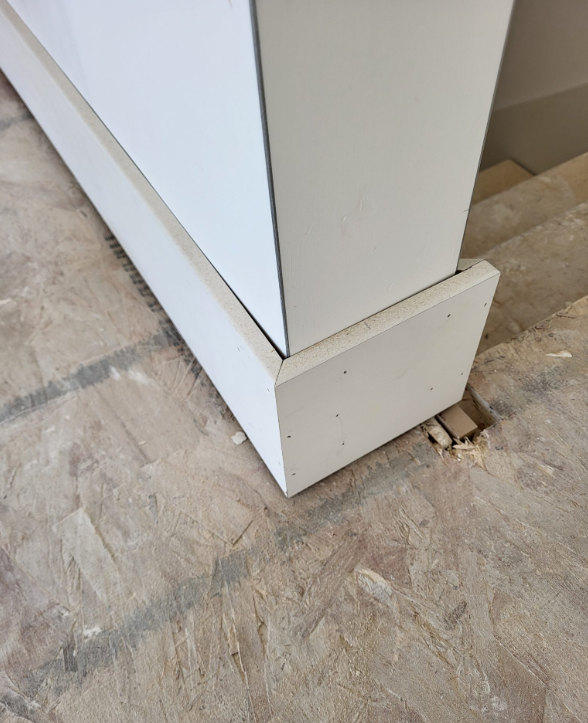
Install Baseboard
Measure, cut, join, and fasten baseboard on walls and floors that are rarely perfect.
Read the guide →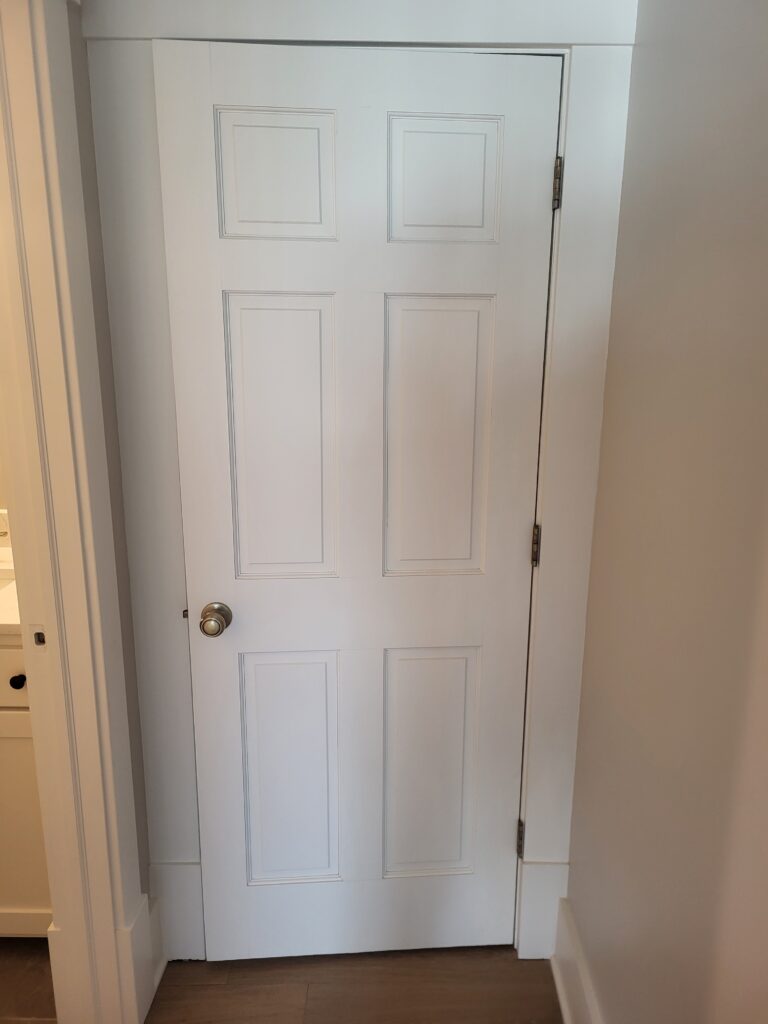
Hang a Standard Interior Door
Start with a 6-foot-8 hollow-core prehung door. Learn the checks that help it swing freely and latch.
Read the guide →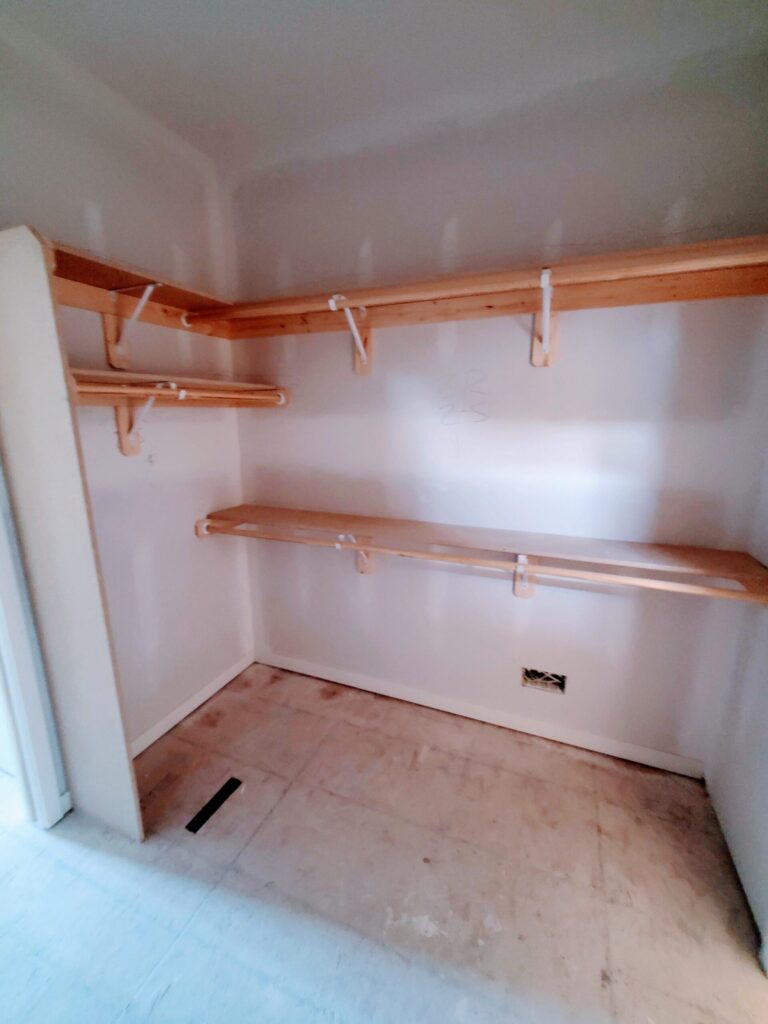
Understand Closet Shelving
Learn the standards first, then work through layout and building basic shelves.
Read the guide →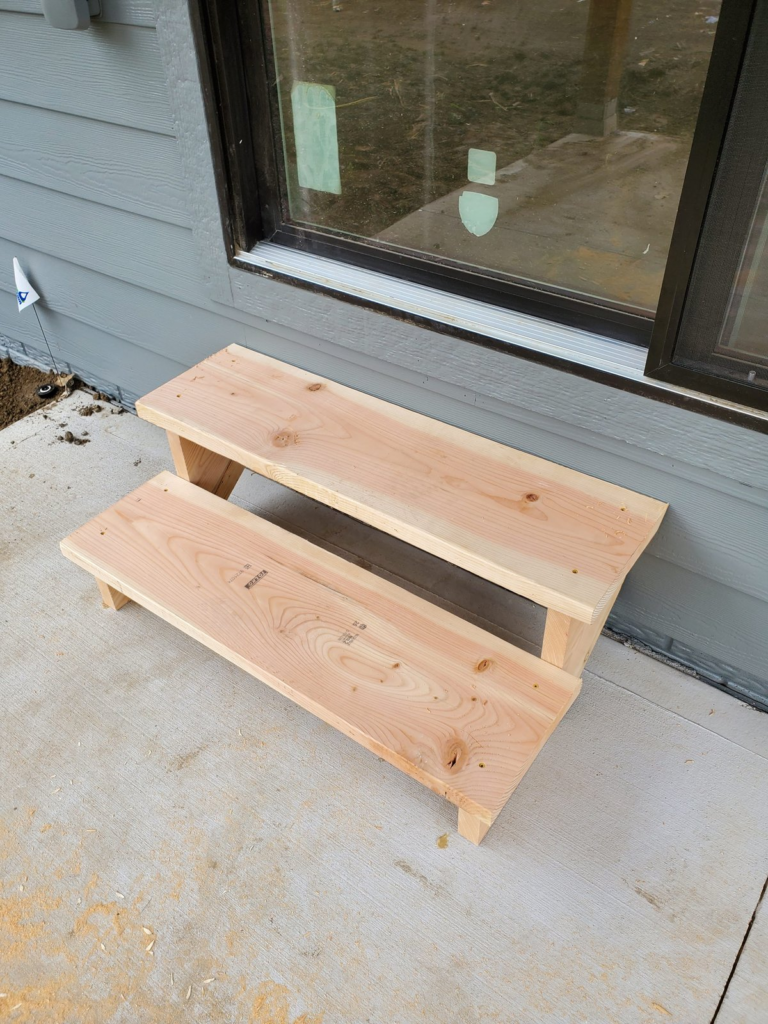
Build Garage Steps
Work through the rise, layout, assembly and final checks. Read the safety and landing requirements first.
Read the guide →A closet, in the right order.
- 1. Standards
Understand shelf and rod arrangements, dimensions and support before drawing the closet.
- 2. Layout
Turn the standards and the available space into a workable plan.
- 3. Building
Use the plan to cut, fit and fasten the shelves and supports.
Check your work as you go.
Read the tools and preparation first. Pause at the quality checks before moving on. Use the troubleshooting section if the result does not match the standard.
The guides are the core
Every guide opens the same way: what the finished job should look like - the standard - then the method. Most guides carry a category, a difficulty level, and a per-unit time estimate at the top. The levels are explained here, and here's how the categories work.
You'll notice some jobs have several versions: a base guide plus variants - a 6'8" solid-core door and an 8'0" hollow-core get their own guides, tall windows get their own guides. That's deliberate. Trim work goes wrong in the gap between "roughly like the other one" and your actual situation, so when your situation matches a variant, use the variant and you're never adapting on the fly.
Read before the job
New to the trade? Read Carpenter vs Woodworker for a look at the work and careers. For the standards behind a clean trim job, read our trim carpentry guidelines.
Choosing products before you start? Our buying guides cover personal tools, crew equipment, and interior doors.
The cheat sheets are the numbers
Standard closet heights, reveal dimensions, jobsite checklists - the stuff you'd otherwise scribble on a scrap of shim. They're free printable PDFs. Print them, get sawdust on them.
Tools: what we actually run
The tool posts cover the personal kit every trim carpenter carries and the shared equipment a crew needs, and the five tool groups explain what each tool is for. Guides keep a short "what you'll need" list and link to the kits for the details, so the how-to stays about the how-to.
Straight talk on money: some tool links are affiliate links, marked as such, and they help keep the guides free (full disclosure here). The picks are what's in the trailer or what we'd buy again - not affiliate reviews. If the budget option is the right call, the page says so.
Look up an unfamiliar word
Finish carpentry has its own vocabulary - reveal, cope, proud, hinge-bound - and its own slang, and we're building a searchable glossary of all of it, aisle by aisle. In guides, the first mention of a term links to its definition so you can check it without losing your place. If your crew has a word for something that we don't have yet, send it in.