How to Choose the Perfect Interior Door for Your Home
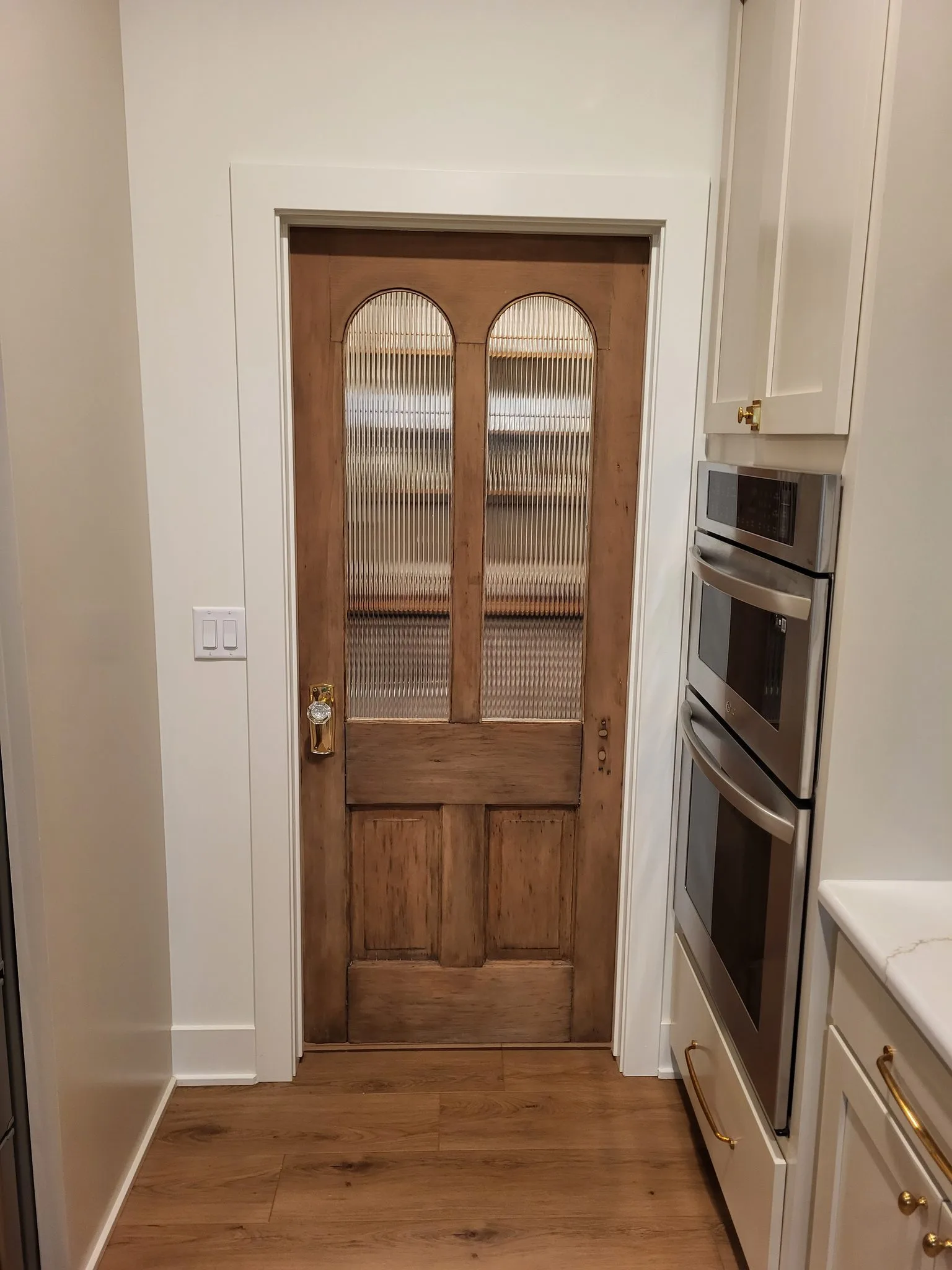
Choosing an interior door involves several separate decisions: core construction, face material, finish, style, size and swing. The builder or homeowner chooses hollow or solid core and paint or stain grade. Our crew installs the selected doors.
The biggest problems we run into are the wrong size and the wrong swing. Use the approved door schedule, order details and opening measurements to catch those mistakes before ordering, at delivery and before installation. If a detail does not match, get it resolved before fitting or altering the door.
📚 Related Guides
- How to Install an 8'0" Solid Core Pre-Hung Interior Door
- How to Install an 8'0" Hollow Core Pre-Hung Interior Door
- How to Install a 6'8" Solid Core Pre-Hung Interior Door
- Door and Window Parts
- How to Install an 8'0" Pocket Door
Browse all guides at /learn/
Start With the Approved Door Selection
A door schedule is the list showing which door belongs at each opening. Match each unit to its opening, rather than assuming every door in the house has the same specification. The builder or homeowner can approve different doors for different rooms.
| Choice | What to confirm |
|---|---|
| Core construction | Hollow core or solid core, as selected by the builder or homeowner. |
| Face material | The specified molded composite, MDF, wood veneer or wood construction. A face material is a separate detail from the core. |
| Finish | Paint grade, stain grade or an approved factory finish. Confirm the exact product and finishing instructions. |
| Style | Manufacturer, product or profile number, panel layout, texture and any specified glass. A general name such as "Shaker" does not identify every detail. |
| Size and frame | Specified slab width, height and thickness; slab only or pre-hung; required jamb depth. |
| Swing | Hinge side and the room or direction the door opens into, checked against the plan. |
Hollow core and solid core describe the construction inside the slab; they are not competing style names alongside "MDF" or "six-panel." A similar-looking door can be offered with different cores. For example, JELD-WEN lists both hollow-core and solid-core construction for its Monroe door. Check the actual order and product label instead of identifying the core from the panel style or a knock test.
Paint grade means the chosen surface is intended for the specified paint finish. For stain grade, confirm the selected wood species or veneer and approved finish. A wood-grain appearance alone does not establish what the surface is made from or how it should be finished. Ask the builder or homeowner to approve substitutions.
Check the Door Size Before Ordering
Keep the slab size, assembled unit size and rough opening size separate. The slab is the moving door panel. A pre-hung unit includes that slab in its jamb frame. The rough opening is the framed opening the unit must fit. The same width number cannot stand in for all three measurements.
- Match the schedule: Record the opening or room, specified width and height, thickness, core, style and finish. Do not substitute a nearby size because it is in stock.
- For a pre-hung unit: Verify the actual unit dimensions and the rough opening. Use the selected product's rough-opening requirements, not a universal allowance added to the slab size.
- Check the wall and floor: Confirm the jamb depth against the finished wall thickness and account for the planned finished floor. Resolve missing information with the builder before ordering.
- For a replacement slab: Check the existing frame and slab dimensions, thickness, hinge positions and hardware preparation. A matching width and height alone do not confirm that the replacement will fit.
- Measure the delivered door: Compare actual dimensions with the order and assigned opening. Keep the label with the unit so similar doors do not get mixed up.
Door notation can be shorthand. For example, a 2'8" by 6'8" nominal slab is 32 by 80 inches; those numbers do not specify the outside of its assembled jamb or the rough opening. Confirm what a supplier's listed size refers to before ordering.
For openings with accessibility requirements, have the builder or designer confirm the required clear opening and applicable details. Nominal slab width is not the same measurement as the clear passage with the door open. The ADA design standards are a reference where applicable; this buying checklist does not assign one universal width to every room or project.
Confirm Hinge Side and Swing Together
A correct-size door can still be wrong for the opening if it swings the wrong way. Check the plan's swing arc, the hinge side and which room the door opens into. Do not use "the hallway side" as a universal viewing position.
- Stand on the side the door swings toward you.
- Hinges on your left: call it a left-hinge door. Hinges on your right: call it a right-hinge door.
- Record the direction as well, such as which room it opens into. Hinge side without a stated viewing position can be misunderstood.
- Have the supplier translate that description into its own hand or reverse-hand terminology. Confirm the supplier's diagram and order code before placing the order; do not assume its "left-hand" label means our "left-hinge" description.
This is the hinge-side naming used in our pre-hung interior door installation guide. If the delivered swing disagrees with the approved plan or order, set the unit aside and get the discrepancy resolved before installation.
Pre-Hung Unit or Slab Only?
Pre-hung: The slab comes hung in a jamb frame with hinges. Confirm the complete unit, jamb depth, swing and hardware details on the order. Factory assembly does not remove the need to inspect the unit and fit it correctly in the opening.
Slab only: You receive the door panel rather than a complete jamb assembly. Confirm whether hinge mortises and lock preparation are included and whether they match the existing frame and hardware. Do not assume every slab arrives unmachined or every replacement is ready to hang.
Use the unit specified for the job. Hinge count, hardware capacity and trimming limits come from the selected product and approved installation details. Do not choose them from a blanket core-type rule. JELD-WEN's interior-door overview explains the distinction between replacing a slab and replacing the complete unit; confirm dimensions and instructions for the product actually supplied.
Receiving and Pre-Installation Checklist
Check each unit against its assigned opening before starting work. Size and swing come first, followed by the rest of the approved selection:
- The opening or room identification matches the door schedule and delivery label.
- Width, height and thickness match the order; the actual unit fits the intended opening requirements.
- Hinge side and swing direction match the plan and supplier's confirmed diagram.
- Core, face material, panel profile and finish match the approved selection.
- Pre-hung jamb depth, hinges and hardware preparation match the order; a replacement slab matches the existing frame preparation.
- Inspect the slab, frame and edges for shipping damage, visible bow or twist, swelling and damaged joints. Photograph concerns and resolve them with the supplier before installation.
- Product-specific installation and finishing instructions are available. Any required rated or special-use unit matches the approved specification.
What to Do When Something Does Not Match
Wrong Size
Compare the label, actual slab or unit dimensions, order and opening measurements to find the mismatch. Tell the builder or supplier what differs. Get the correct unit or an approved correction before cutting the door or changing the opening. Check the manufacturer's trimming limits before any alteration.
Wrong Swing
Check the viewing position and supplier terminology first, then compare the physical hinge side and swing with the plan. If the unit is wrong, keep it aside for the builder and supplier to resolve. Turning a jamb around or remachining a slab is not a universal fix.
Wrong Core, Style or Finish
Document the mismatch and ask the builder or homeowner to confirm the intended selection. The installation crew should not substitute hollow for solid core, change the finish grade or select a different profile on its own.
Damage, Bow or Twist
Record the condition and ask the supplier to assess it against the actual product's requirements. Do not force a questionable slab flat with hinge screws or apply a generic warp allowance to every door. Follow the supplier's resolution before proceeding.
Related Installation Guides
- How to Install a Pre-Hung Interior Door - The installation method after the selected unit has been checked.
- How to Install a Lockset on a Door - Hardware fitting and installation.
- How to Install Door Jamb Extensions - Extending a jamb to meet the wall.