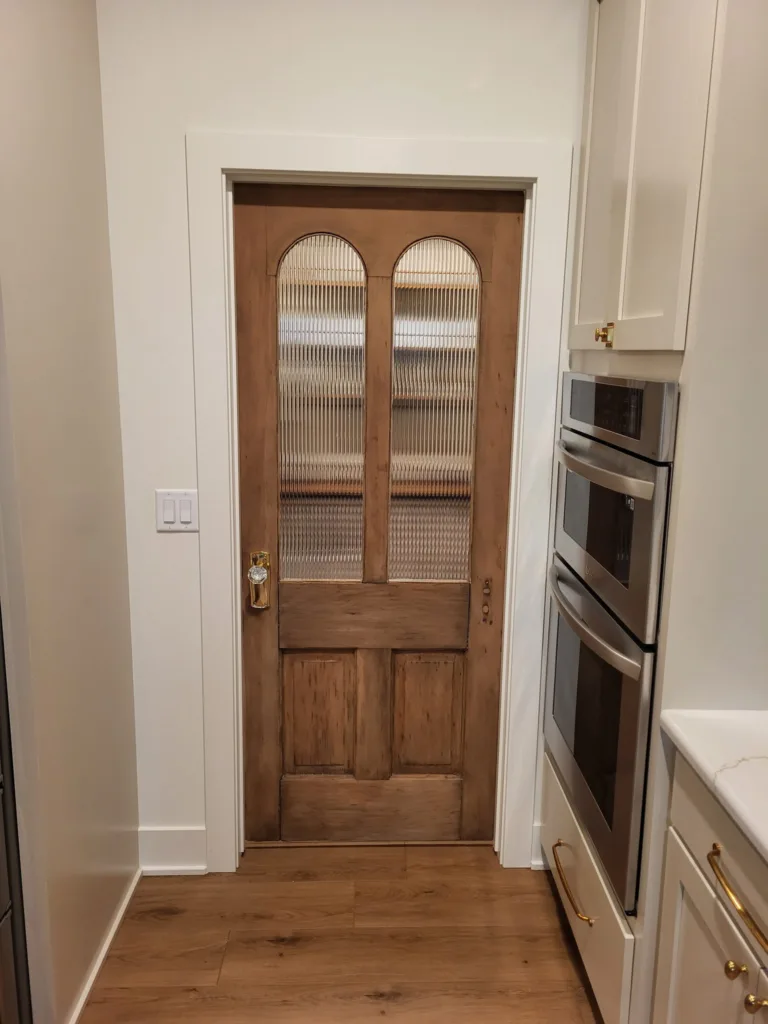
Finish Carpentry Crew Tools: Our Picks for the Money
The Sun's Up Construction tool list
Buy the tool that earns its place in the truck. These are our finish carpentry picks for cutting, fastening and fitting, built around the equipment we use and buy for our crews.
We aim for the best tool for the money: enough capacity and durability for the work, with a setup we can move and keep supplied. Our first pick in each role is the place to start. The other models solve a different job or fit a battery platform you already own.
Search by tool, task or model. Check the full fit and setup notes before choosing.
Our first picks at a glance
Choose the role you need. A cordless upgrade is useful when the time saved earns its cost; a pneumatic tool can be the better value when you already have air.
Product photos show the named tools and kits. Check the exact listing for price, availability, seller, included batteries, charger and stand. Retailer links open in a new tab.
Miter saws: compact, 10-inch and full-size
Start with the capacity you cut every day. Our compact cordless pick handles a different job from the larger cutting station; you do not need every saw here.
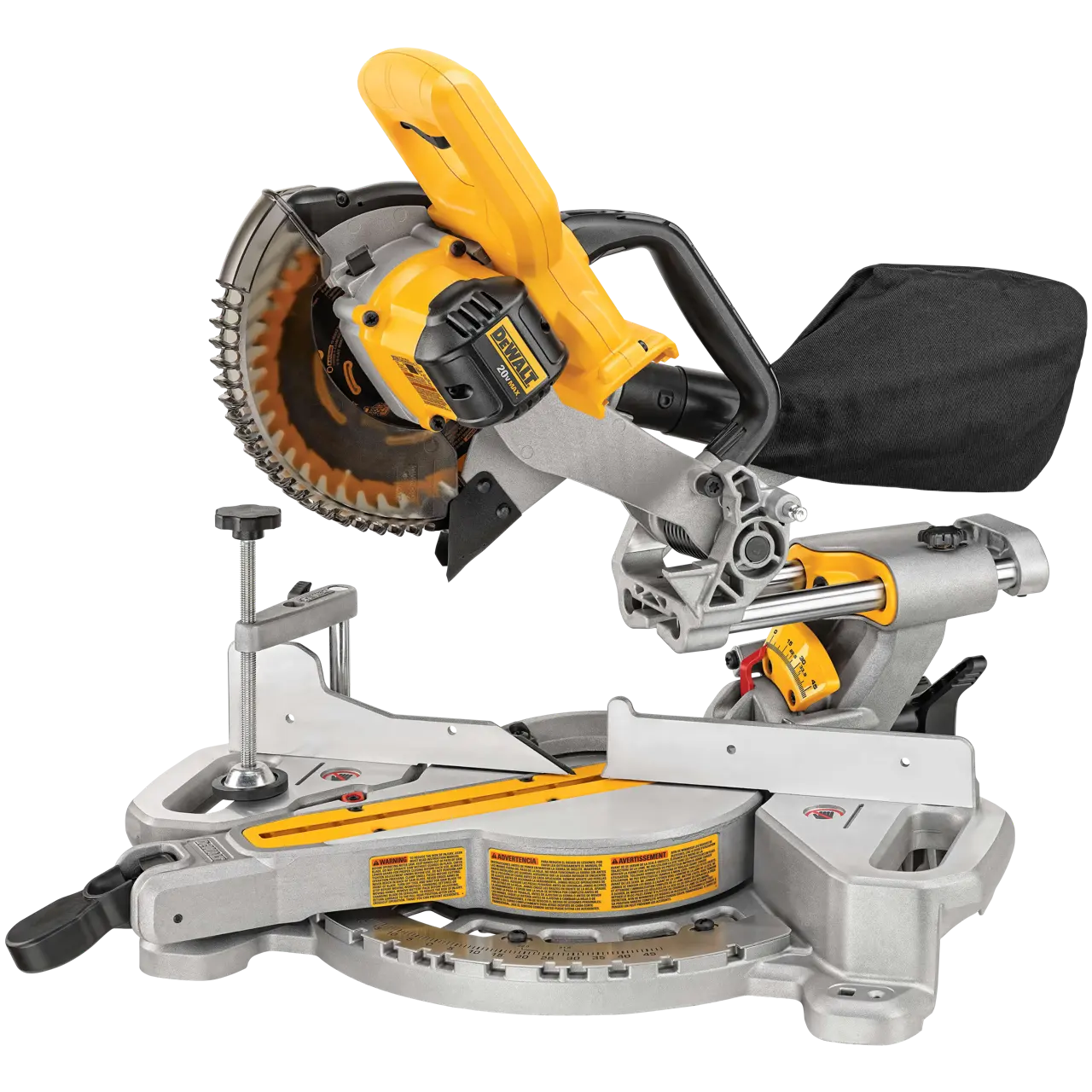
DeWalt 7-1/4-inch cordless miter saw
DCS361B
Use it for: Portable trim cutting, small jobs and moving between rooms or jobsites.
We are moving toward battery miter saws. This is the compact DeWalt option from our tool list, and it makes sense when you already run 20V MAX batteries.
Before you buy: This compact, single-bevel saw does not replace every full-size cutting station. Check your widest and tallest profiles before choosing it.
DCS361B is the bare tool; the DCS361M1 kit includes a battery and charger.
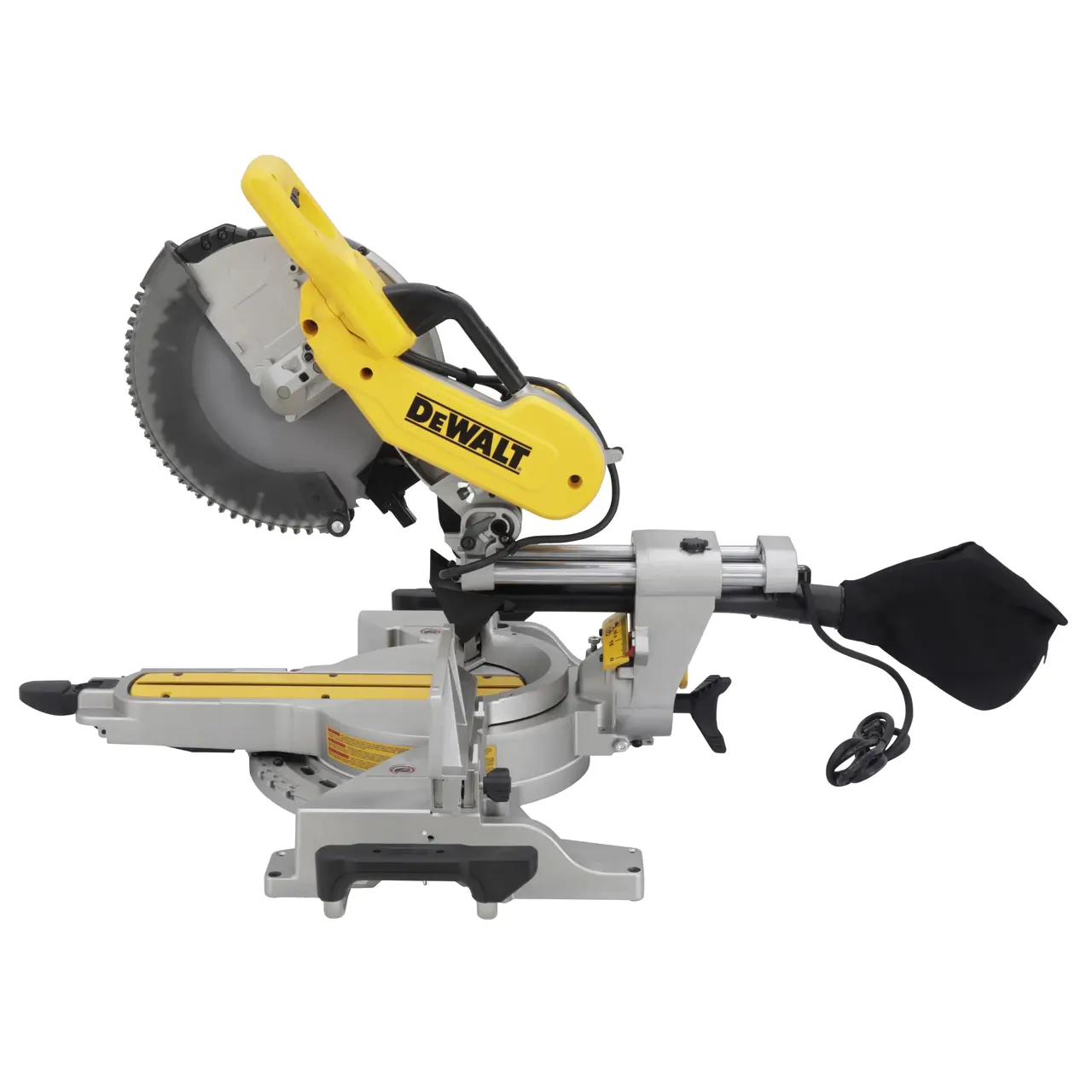
DeWalt 12-inch sliding miter saw
DWS779
Use it for: A stationary cutting station for repeated casing, base and crown cuts.
The DWS779 is a verified model in our crew kit. Sliding travel and double bevel make it useful when the trim outgrows a compact saw.
Before you buy: DeWalt now lists this model as discontinued. Check remaining stock and support before buying; do not pay a premium just to match our existing saw.
Buying used? Check the date code against DeWalt's miter saw recall notice. DeWalt recall notice.
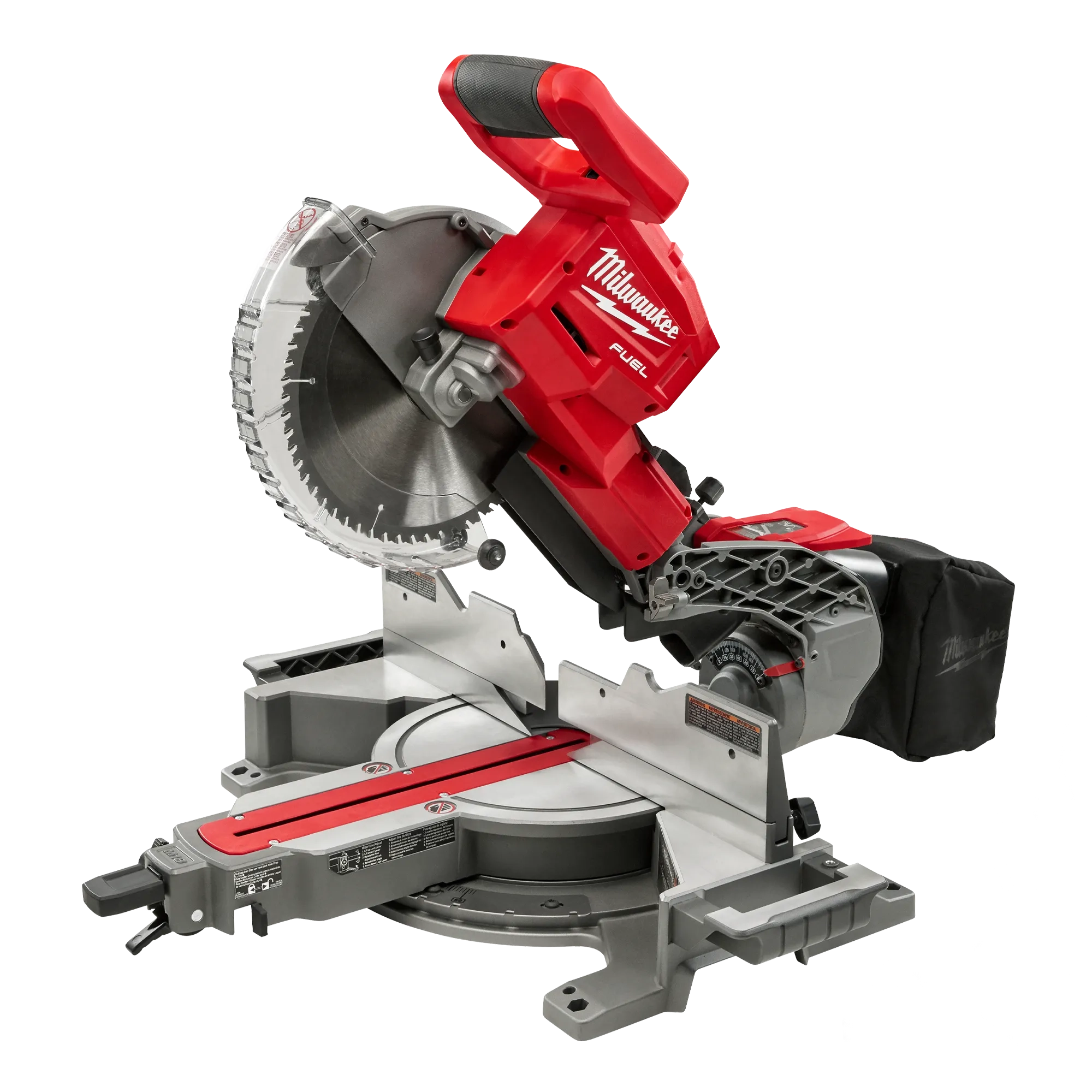
Milwaukee 10-inch cordless miter saw
2734-20
Use it for: A cordless sliding, dual-bevel cutting station for an M18 setup.
This 10-inch saw appears in our purchased equipment. It fills the middle ground between the small 7-1/4-inch saw and a full-size 12-inch station.
Before you buy: Choose it for the capacity and battery platform you need. It is larger to carry than the compact DeWalt saw.
Bare tool. Battery and charger sold separately. Our purchase records also include it in a table-saw bundle.
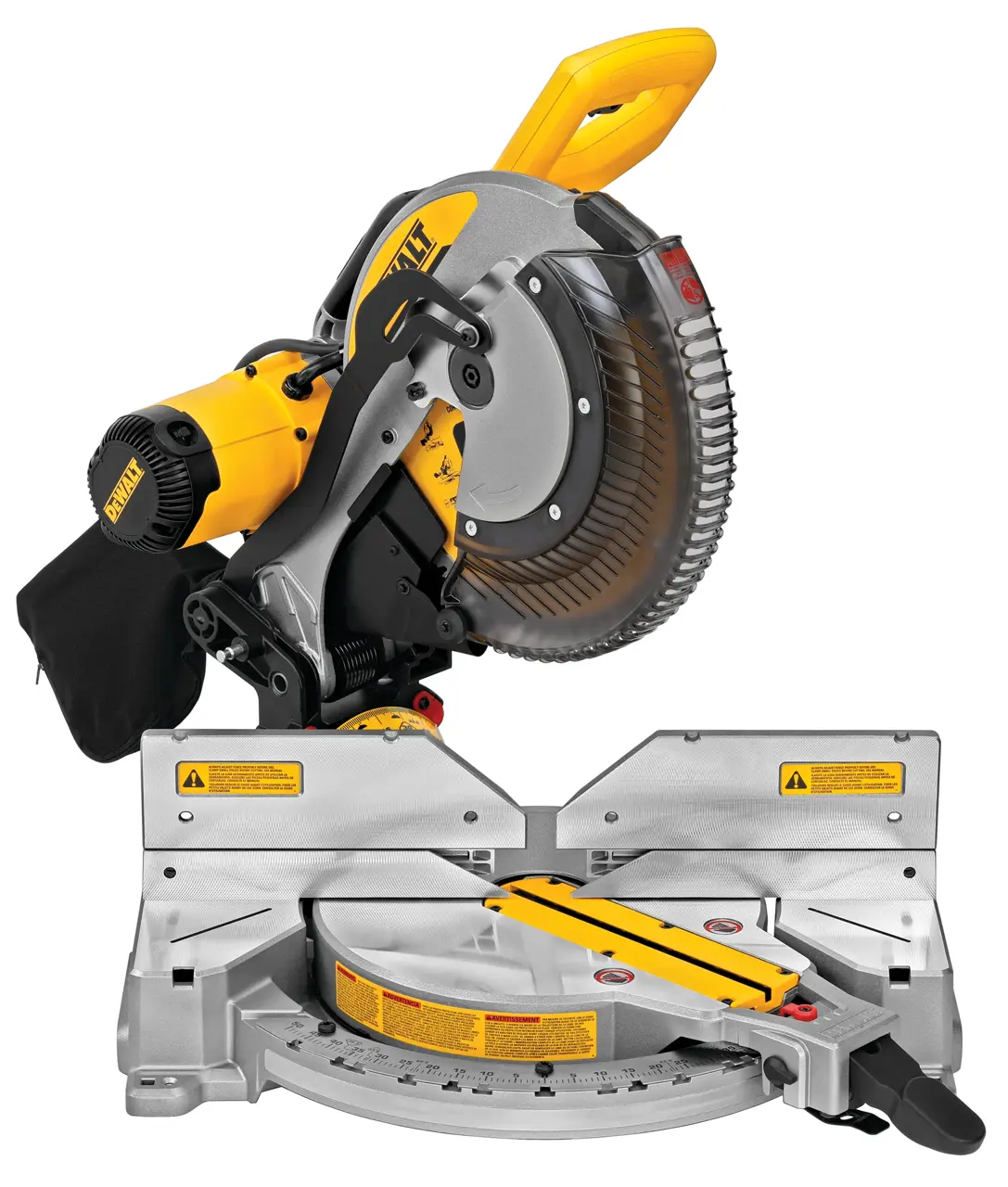
DeWalt 12-inch compound miter saw
DWS716
Use it for: Crosscuts and angled cuts that fit within a non-sliding saw's capacity.
Another DeWalt model from our tool list. It offers a double-bevel setup when you do not need the extra crosscut reach of a slider.
Before you buy: A 12-inch blade does not guarantee the same cutting capacity as a 12-inch sliding saw. Check the profile and cut angle you actually use.
Table saws for the ripping station
The compact DeWalt is our starting point for a portable finish setup. Move to the larger package when its capacity or rolling stand solves a real need.
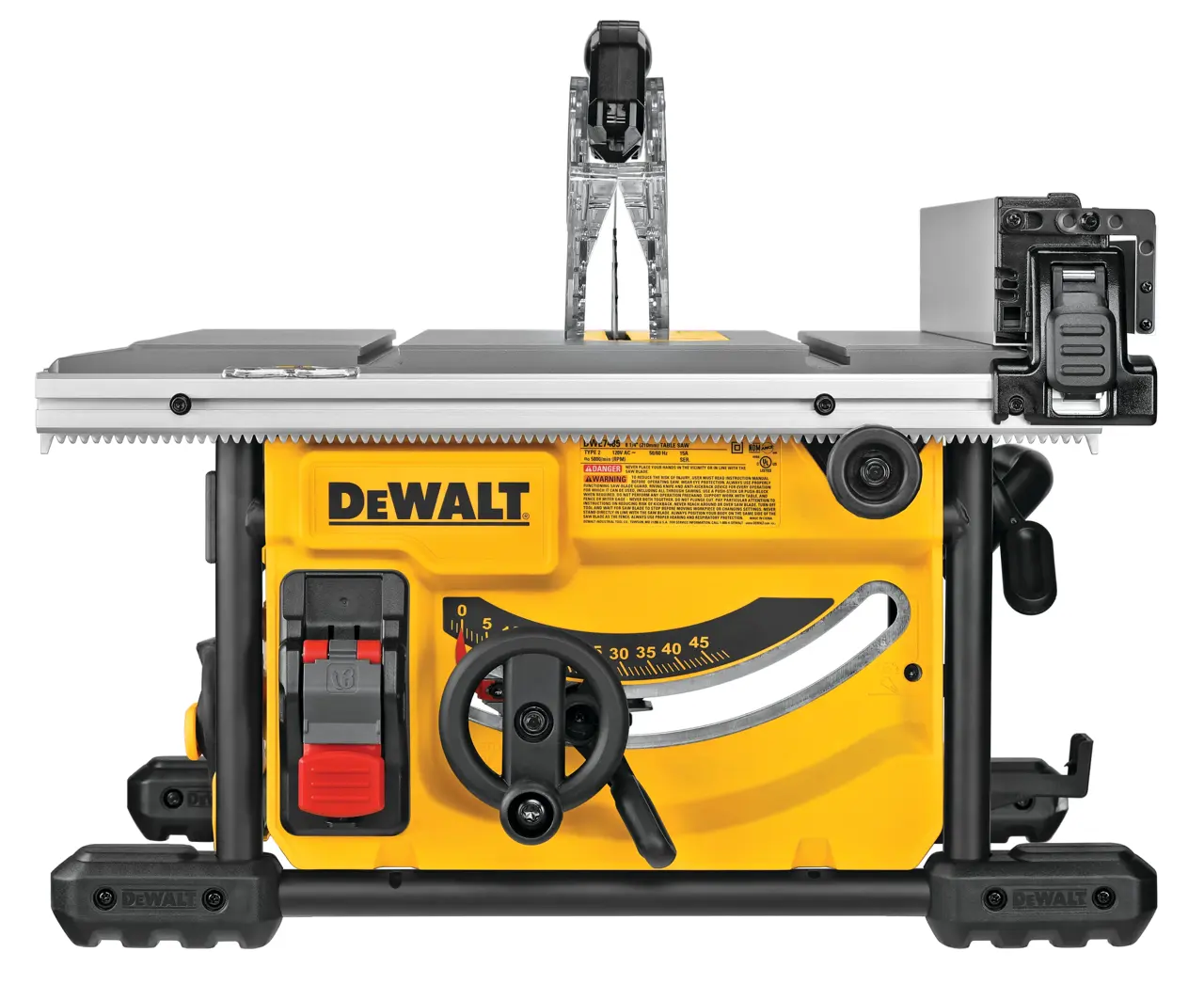
DeWalt 8-1/4-inch compact table saw
DWE7485WS
Use it for: Ripping trim and stock to width when a table saw is the right setup.
Our purchased DWE7485WS package pairs the compact saw with a stand. Start here when portability and ordinary finish rips matter more than a larger saw.
Before you buy: Check cutting depth, rip capacity and stand contents. Keep the guard, riving knife, stock support and push tools appropriate to the cut.
Photo shows the DWE7485 saw. The linked DWE7485WS package includes a compact stand.
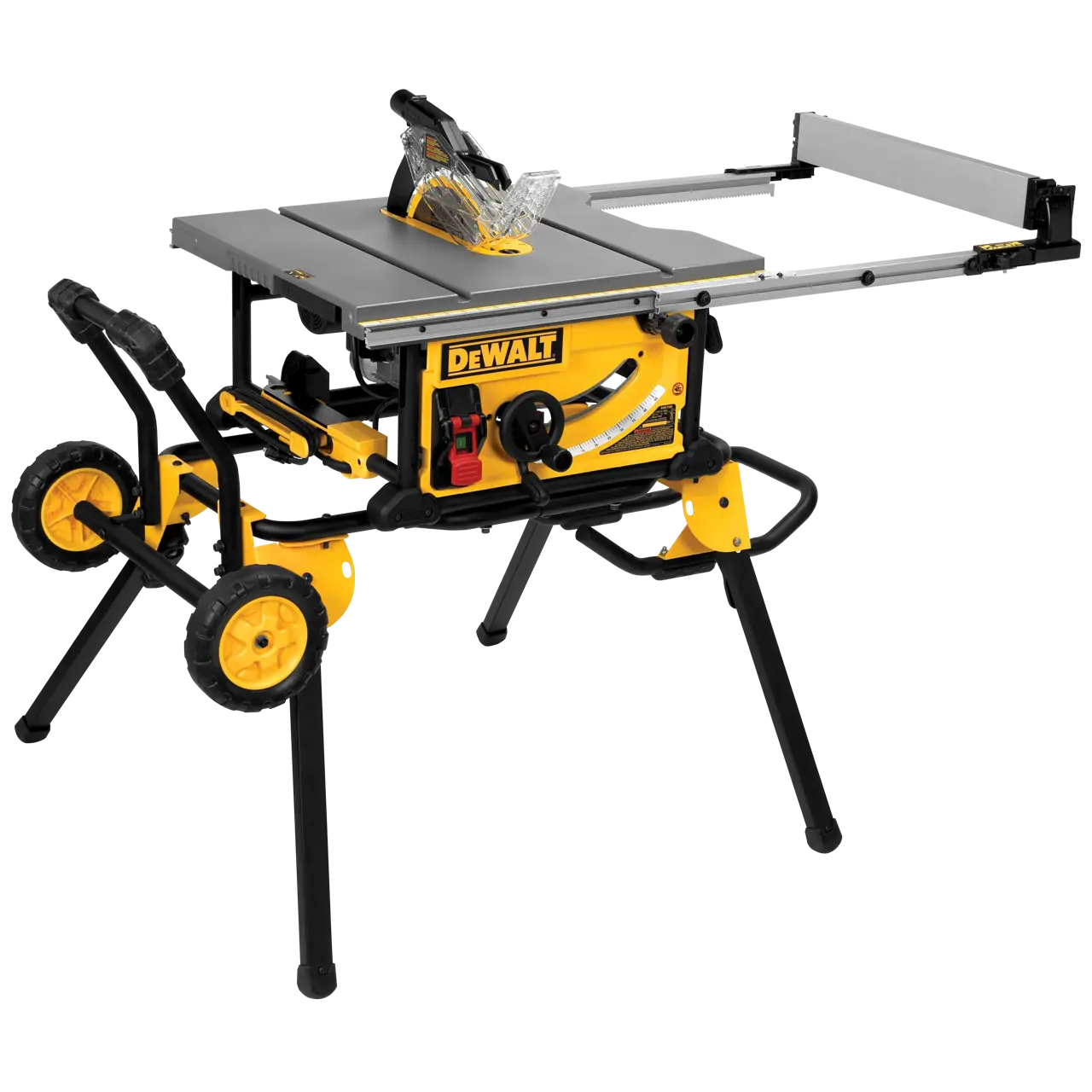
DeWalt 10-inch table saw and rolling stand
DWE7491RS
Use it for: Ripping work that benefits from the larger saw and its rolling stand.
This is the 10-inch DeWalt package in our purchase history. Choose it when the extra capacity and rolling setup earn their space in the truck.
Before you buy: It is a different size and package from the compact 8-1/4-inch saw. Compare the full setup, including storage and material support.
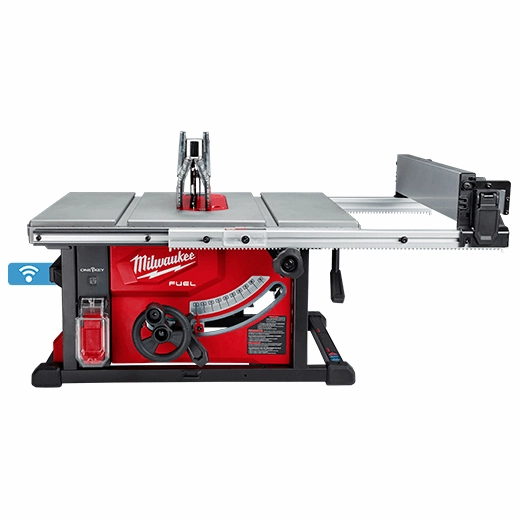
Milwaukee M18 8-1/4-inch table saw
2736-20
Use it for: Rips where a cordless station fits the work and available power.
Our purchased Milwaukee bundle includes this table saw alongside the 10-inch miter saw. It is another option for a crew already invested in M18.
Before you buy: Check battery requirements, cutting capacity and stand needs. This listing is the bare table saw.
Manufacturer photo may show a battery. The linked bare tool excludes the battery and charger.
The four pneumatic fastening tools
15 gauge, 18 gauge, 23 gauge and narrow crown each have a role. These are our starting picks for an air setup; buying all four makes sense only when the work needs them.
Compare nailer sizes, air setups and fastener compatibility.
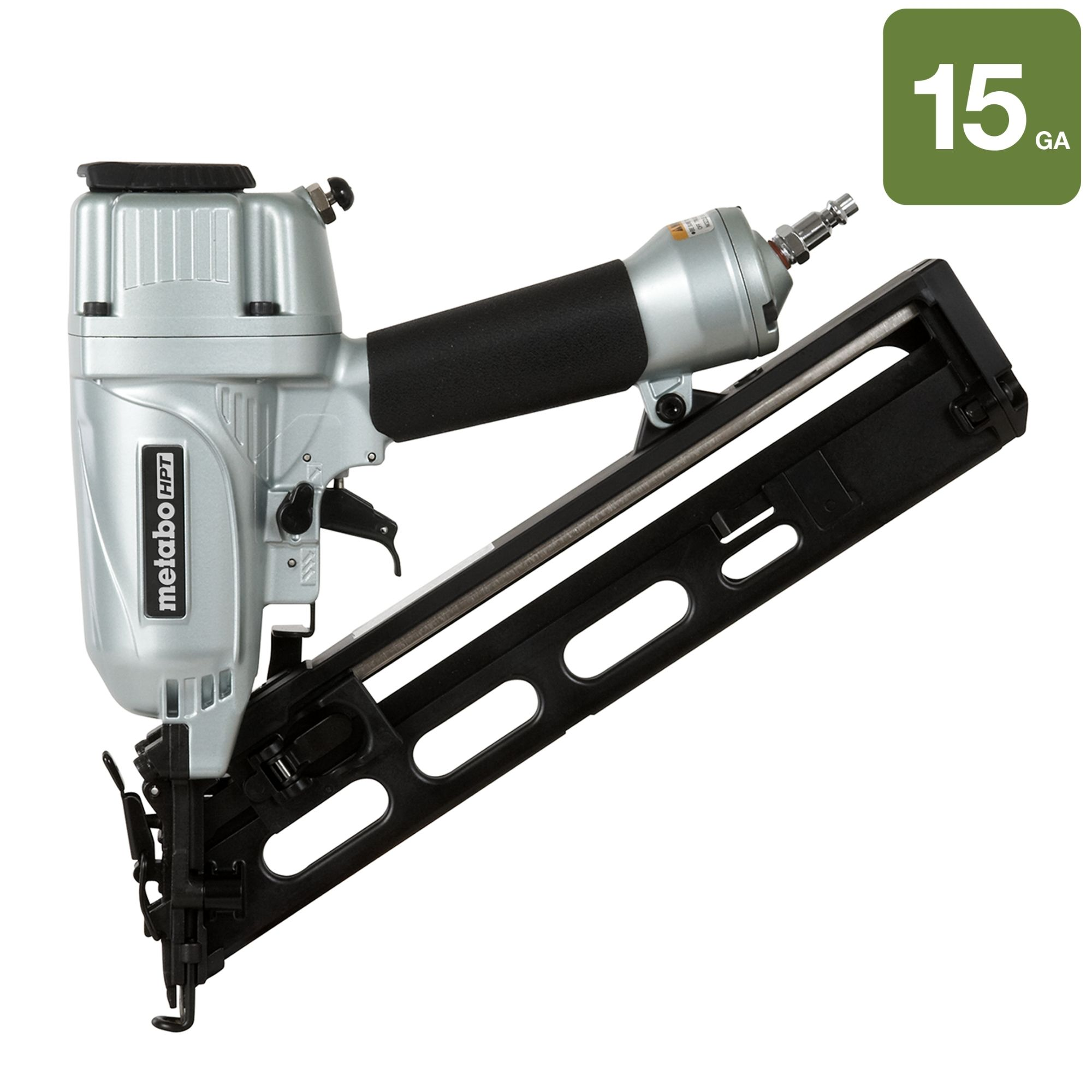
Metabo HPT 15-gauge finish nailer
NT65MA4
Use it for: Door jambs, closets, cleats and heavier trim where the fastening method calls for 15 gauge.
A pneumatic pick in our reviewed Metabo HPT lineup. Start with an air tool when you already have a compressor and do not need a battery gun for every task.
Before you buy: This model takes 34-degree DA-series nails, up to 2-1/2 inches. Match the nail angle and length to the gun and the fastening requirements.
Requires a compressor, hose and compatible fittings. A finish nailer does not replace required structural fasteners.
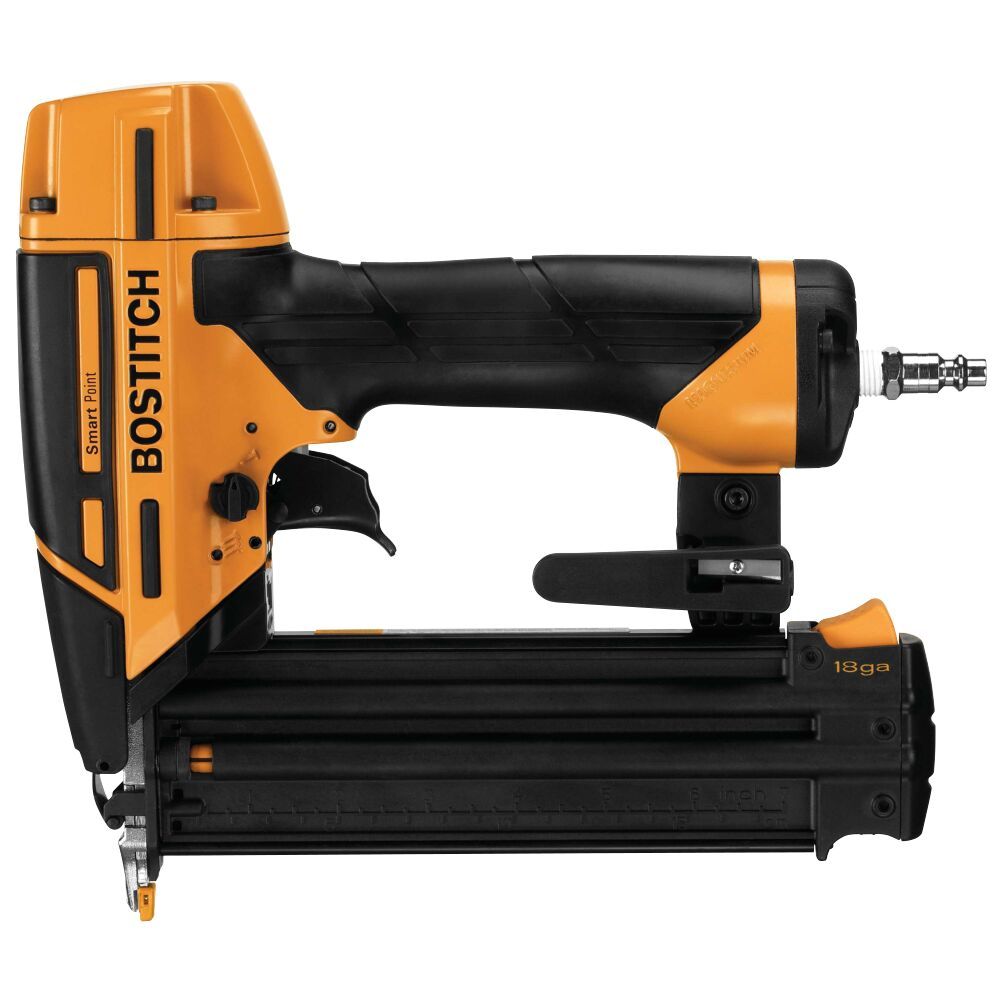
Bostitch 18-gauge brad nailer
BTFP12233
Use it for: General trim fastening and delicate edges.
Bostitch is our main pneumatic lineup, and BTFP12233 is an exact model verified in our crew kit. This is where we would start for an air-powered brad nailer.
Before you buy: 18-gauge brads do a different job from 15-gauge finish nails and 23-gauge pins. Follow the fastening method for the piece you are installing.
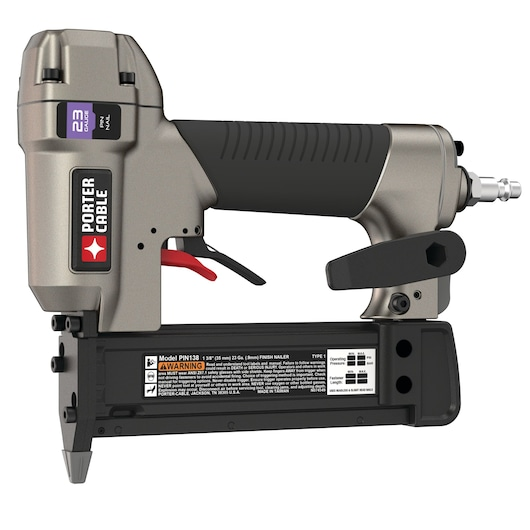
Porter-Cable 23-gauge pin nailer
PIN138
Use it for: Small returns and delicate pieces where a pin nailer suits the joint.
The PIN138 is the exact pneumatic pin nailer in our purchase records. It adds a smaller fastening option without another battery platform.
Before you buy: Pins provide limited holding power. Use the reviewed joint method and appropriate glue; do not substitute pins for load-bearing fastening.
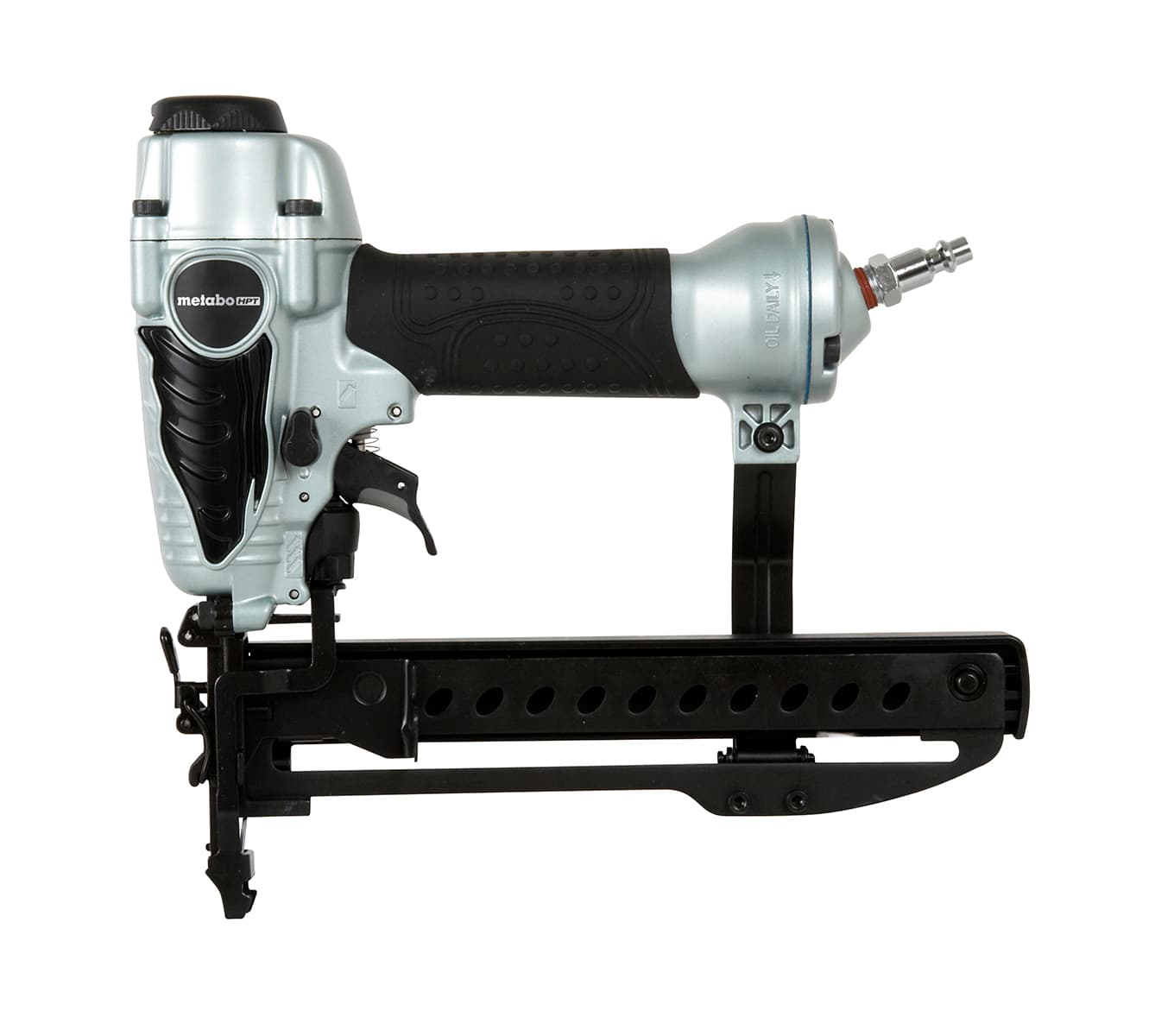
Metabo HPT narrow-crown stapler
N3804AB3
Use it for: Cabinet backs and thin stock where the assembly calls for staples.
This is the 18-gauge, 1/4-inch crown option in our reviewed Metabo HPT lineup. It complements the three nailer sizes.
Before you buy: Gauge alone does not establish compatibility. Match crown width, staple series and length to the gun.
Bostitch SX1838K uses 7/32-inch SX-series staples. Those are not interchangeable with 1/4-inch crown staples.
Cordless nailers and staplers
Pay for cordless convenience where it saves setup and moving time. The Milwaukee brad nailer is a repeat purchase; the other sizes complete the same fastening roles without an air hose.
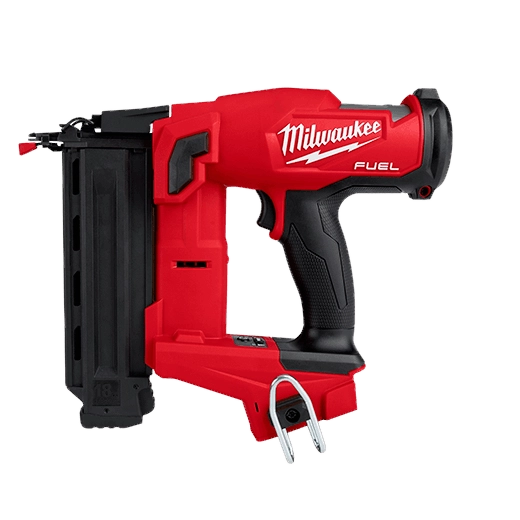
Milwaukee M18 18-gauge brad nailer
2746-20
Use it for: Trim fastening without moving a hose and compressor with each task.
This Gen II model is a repeat purchase in our tool list. It is our starting point for a cordless brad setup when the convenience is worth the extra cost.
Before you buy: M18 battery and charger are separate on this bare-tool listing. If you already own DeWalt batteries, compare the total setup cost.
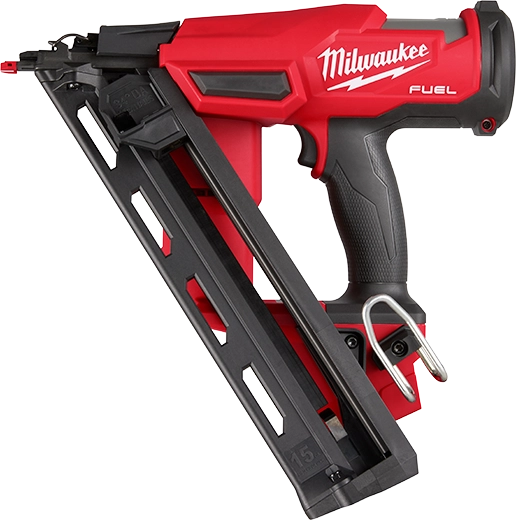
Milwaukee M18 15-gauge finish nailer
2839-20
Use it for: The heavier finish-fastening role when you want to leave the air hose behind.
The Gen II 2839-20 is a purchased model in our lineup. Choose it for the same job requirements as a 15-gauge air gun, with cordless portability.
Before you buy: This model uses 34-degree DA-series nails. Confirm the supported length and fastener type in the tool manual; gauge alone does not establish compatibility.
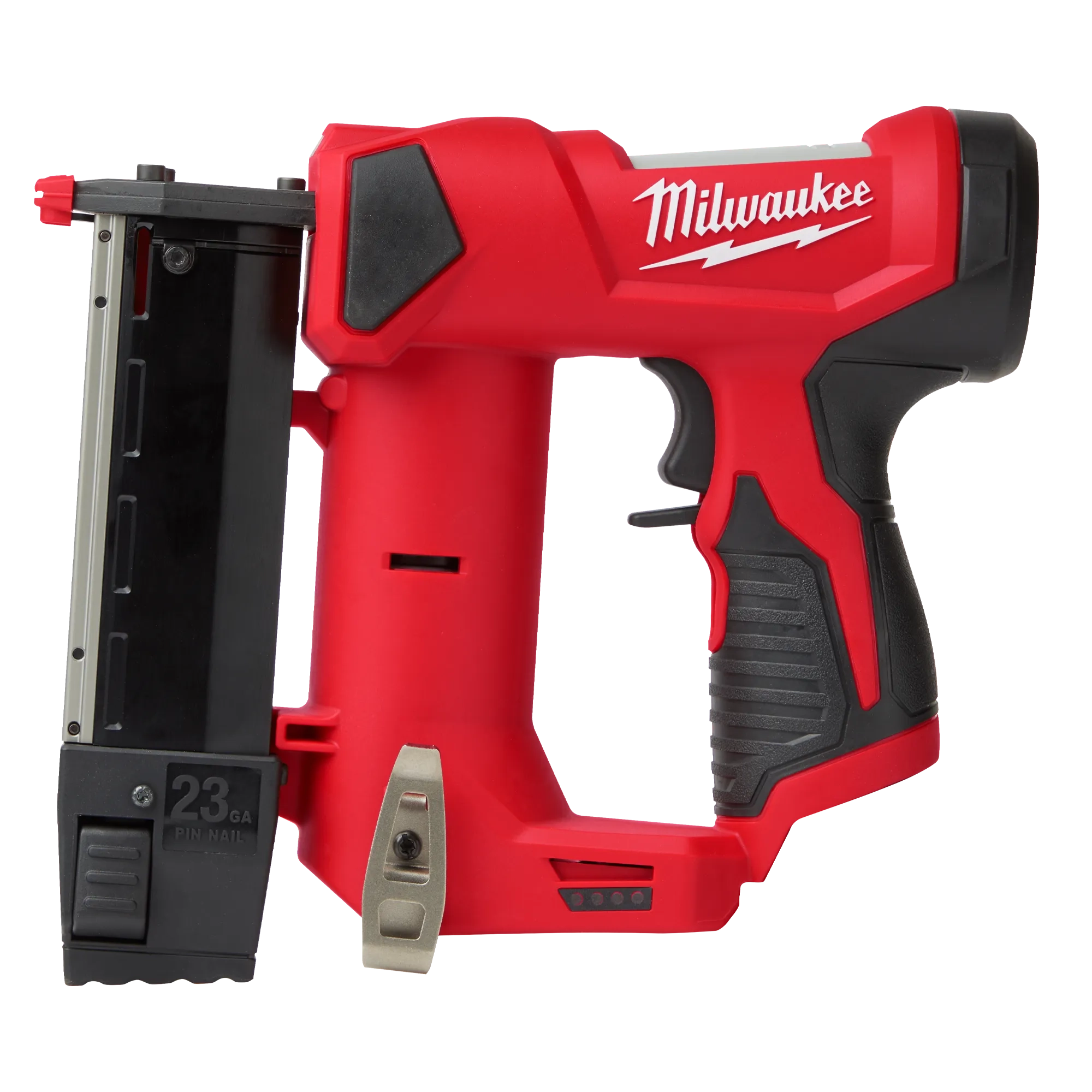
Milwaukee M12 23-gauge pin nailer
2540-20
Use it for: Pinning small returns and delicate trim without an air setup.
Our purchases include this M12 pin nailer alongside cordless brad nailers. It gives the small-piece station the same freedom from a hose.
Before you buy: M12 and M18 are different battery systems. This bare tool needs an M12 battery, even if your other Milwaukee guns use M18.
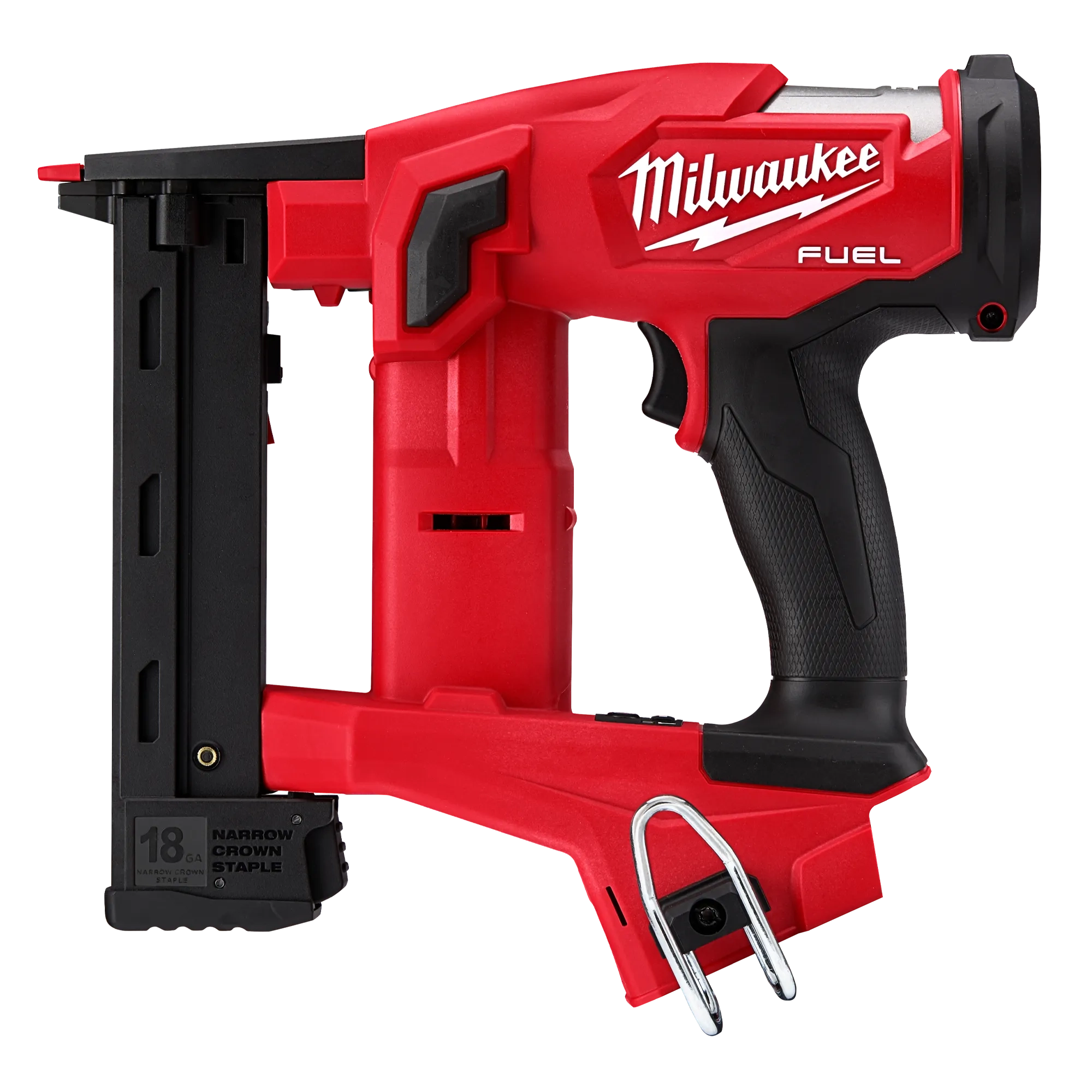
Milwaukee M18 narrow-crown stapler
2749-20
Use it for: Stapling thin stock and cabinet components where specified.
This purchased model gives an M18 crew a cordless version of the narrow-crown stapling role.
Before you buy: It takes 18-gauge, 1/4-inch crown staples. Check the supported staple series and length; do not shop by gauge alone.
Planing, routing, sanding and fitting
These are the tools for getting the piece to fit. Our first choices generally follow the battery platform we already own rather than adding a platform for one small feature.
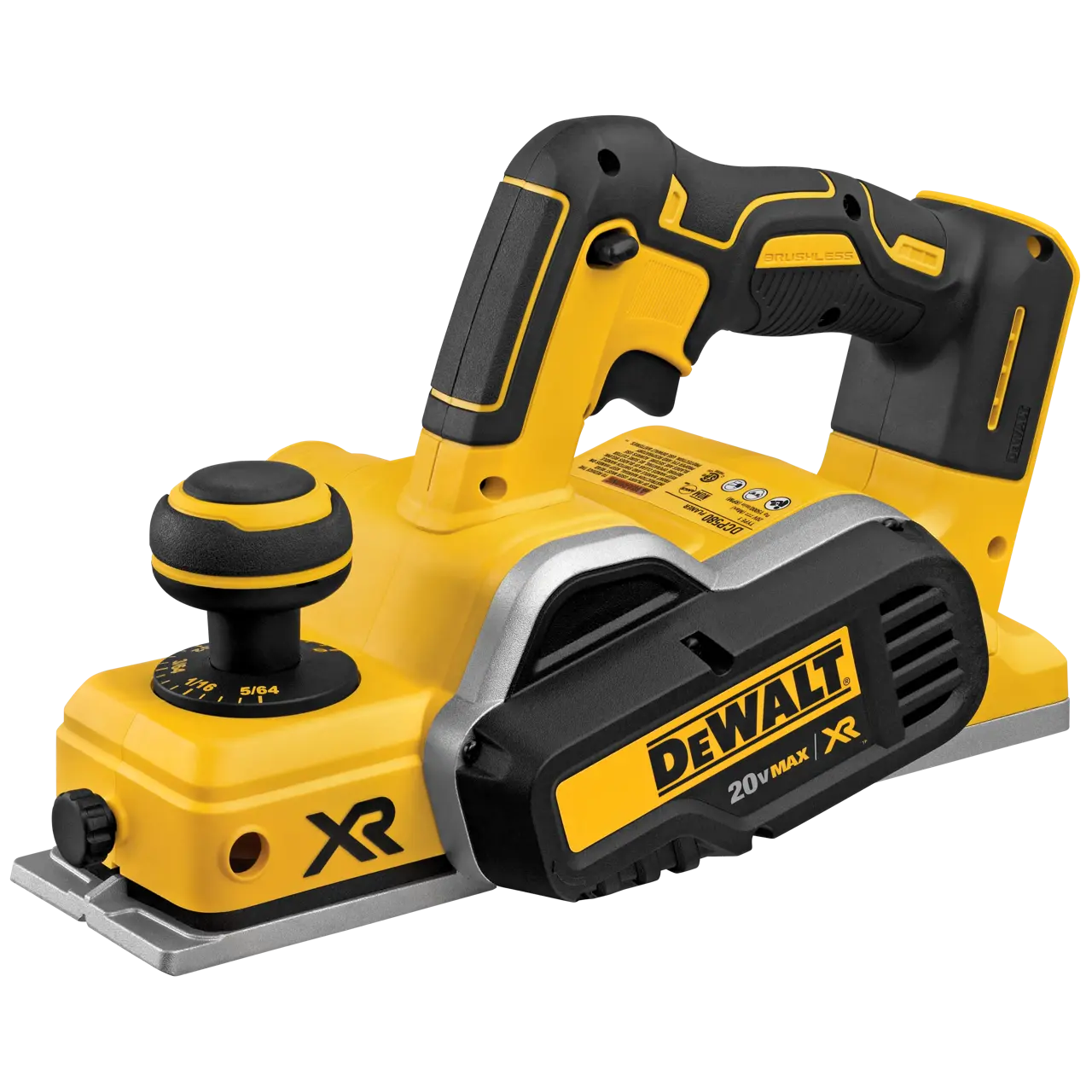
DeWalt cordless planer
DCP580B
Use it for: Shaving and fitting wood when a planer is the right tool for the adjustment.
The 3-1/4-inch DCP580B is in our purchased DeWalt kit. It brings fitting work to the piece instead of requiring a stationary machine.
Before you buy: A handheld planer is different from a thickness planer. Check the material, cutting direction and intended finish; do not plane a rated door without checking its requirements.
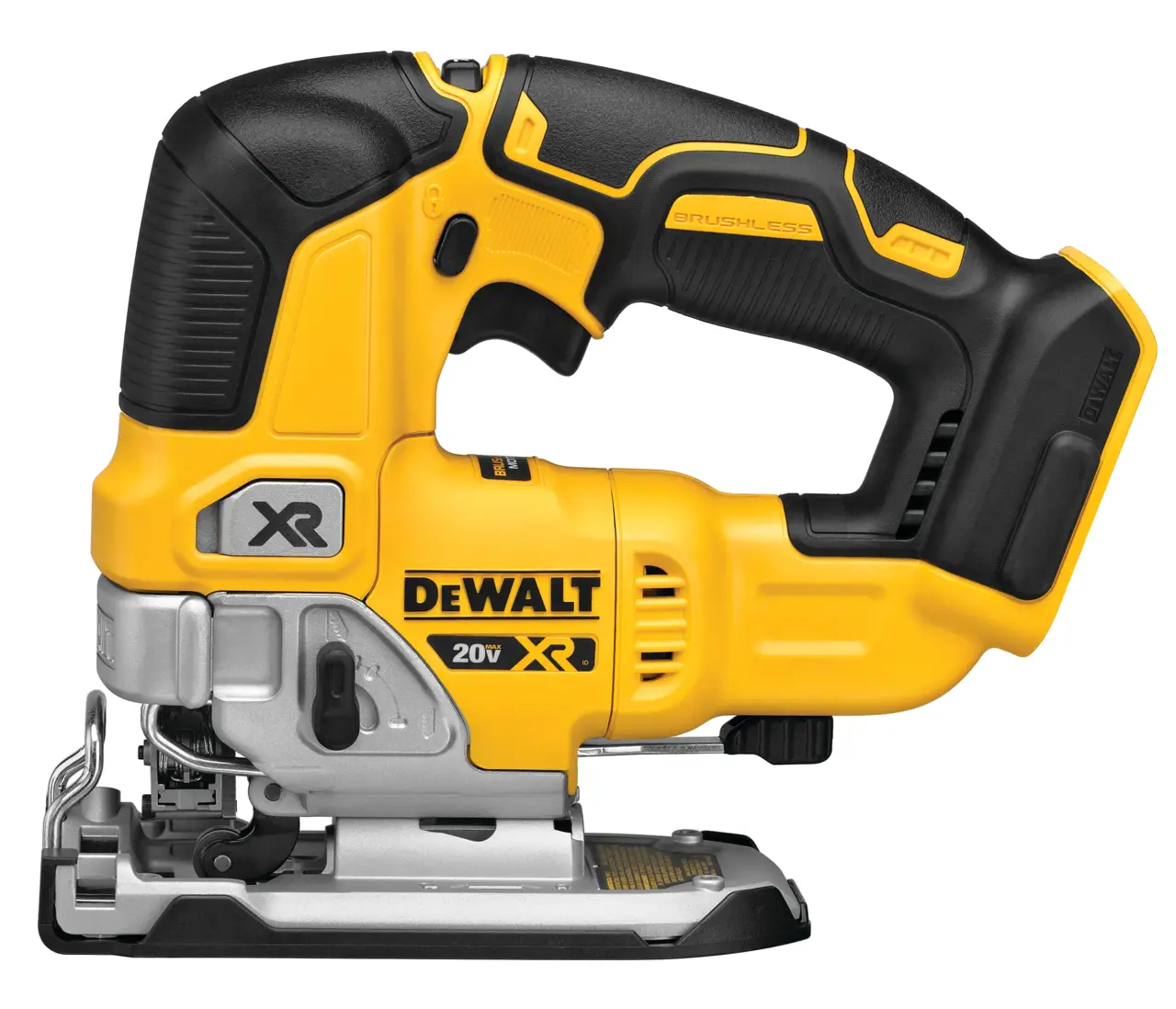
DeWalt cordless jigsaw
DCS334B
Use it for: Curved cuts, cutouts and notches that a miter saw cannot make.
This is the DeWalt jigsaw from our purchase records. A suitable blade makes it a useful fitting tool for trim and sheet goods.
Before you buy: Match the blade to the material and support the work. The blade affects the cut as much as the tool.
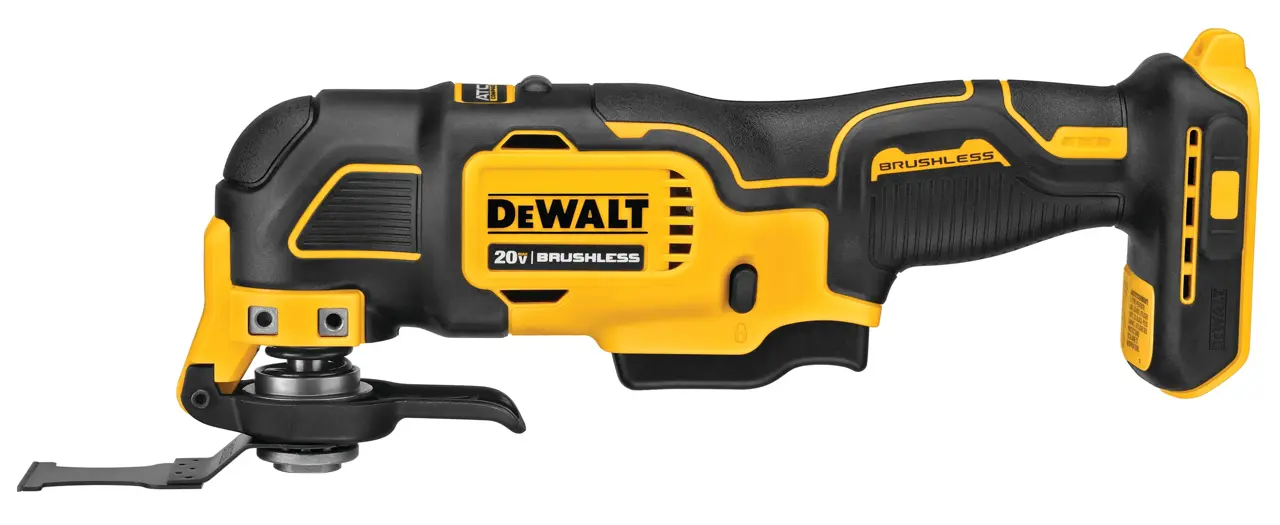
DeWalt oscillating multi-tool
DCS354B
Use it for: Small cuts and adjustments where a larger saw will not fit.
The ATOMIC DCS354B is a purchased model in our kit. It is the tool we plan around for controlled fitting cuts in tight locations.
Before you buy: Check blade compatibility and what lies behind the cut. Use a blade rated for the material you might encounter.
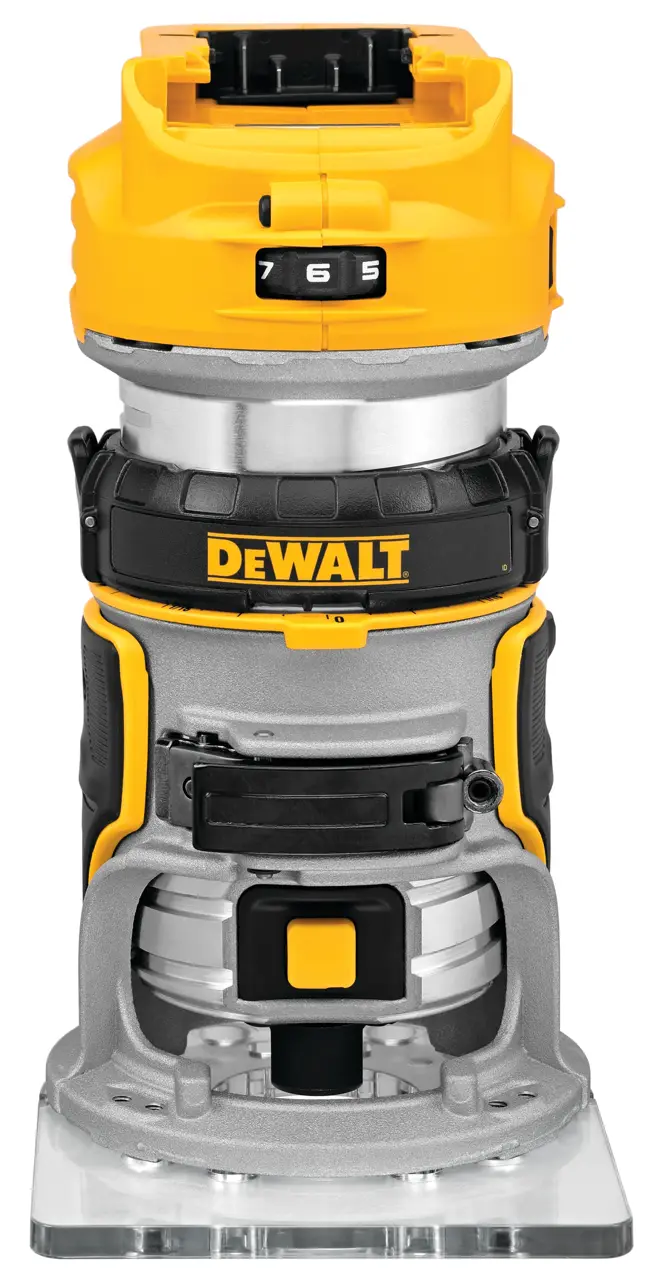
DeWalt cordless compact router
DCW600B
Use it for: Edge work, recesses and other routing operations called for by the job.
Our purchased router package includes the DCW600B with a battery starter kit. It fits a crew already using DeWalt 20V tools.
Before you buy: Choose the right bit and base for the operation. The photo shows the router; the linked package also contains batteries and a charger.
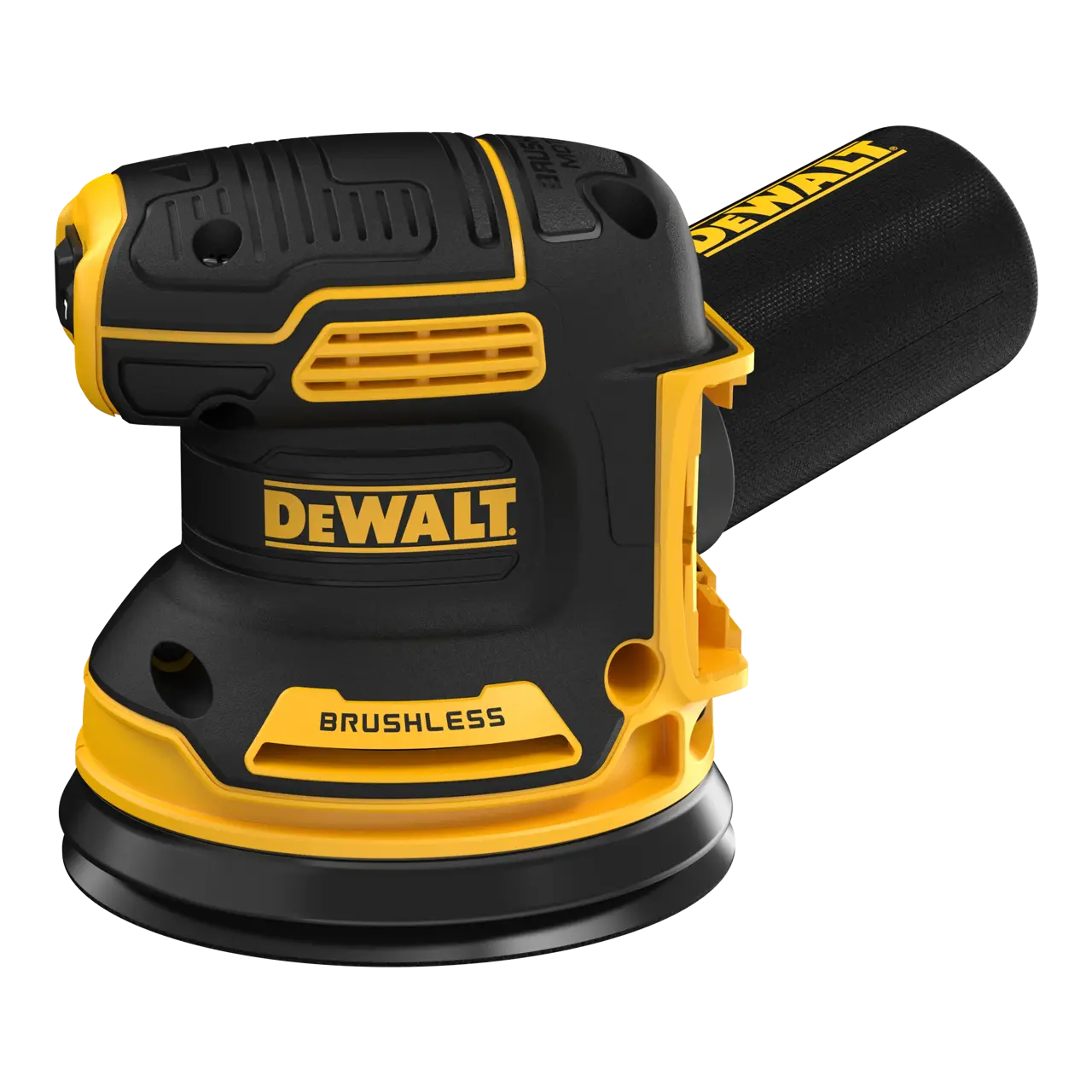
DeWalt 5-inch random-orbit sander
DCW210B
Use it for: Sanding wood-to-wood joints flush and clean when the method calls for it.
The DCW210B is a repeat purchase in our DeWalt lineup. It uses the battery platform shared by several fitting tools on this page.
Before you buy: Match the abrasive and dust collection to the work. Joint fitting is carpenter scope; general surface preparation for painting is a separate scope.
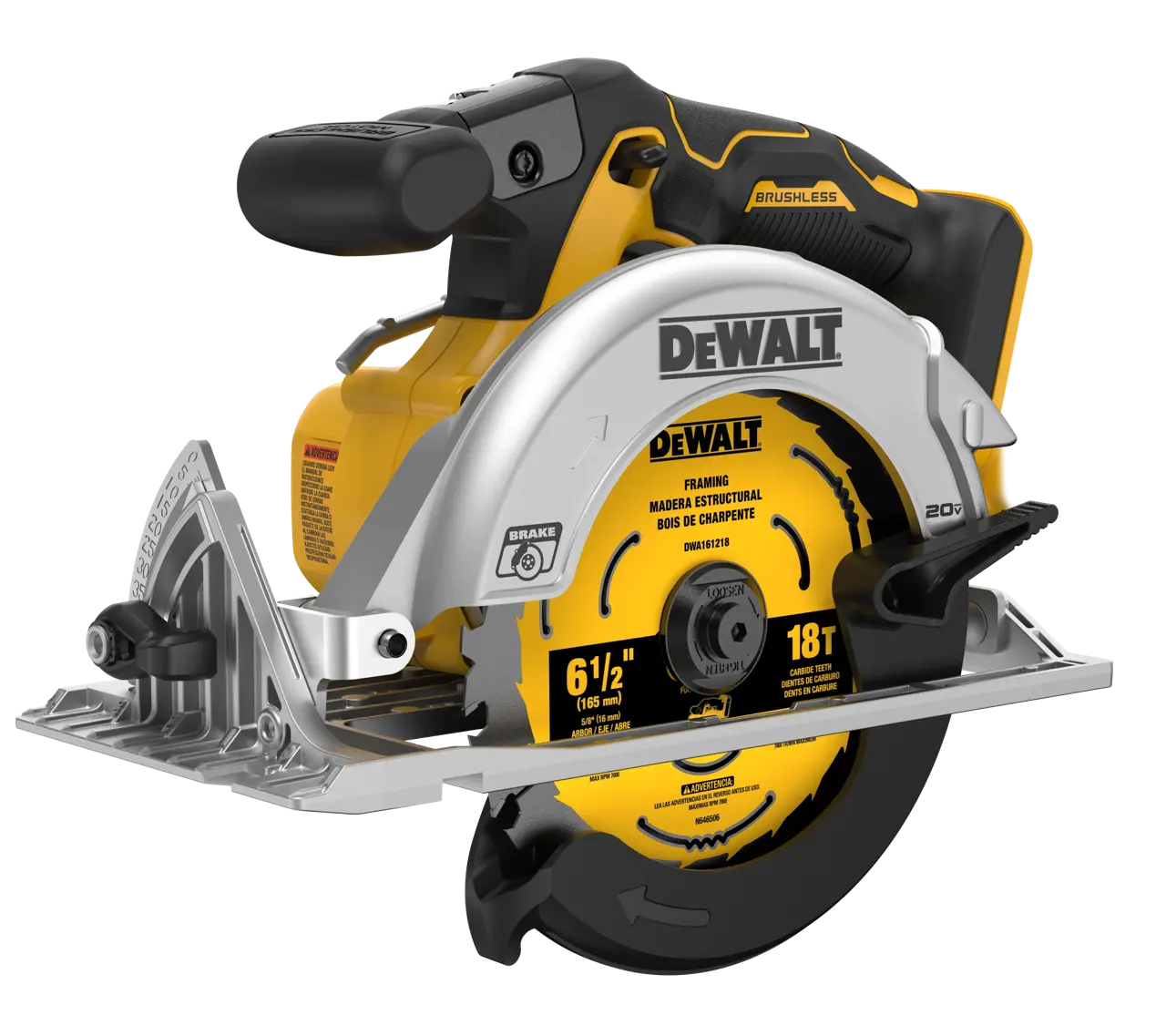
DeWalt 6-1/2-inch circular saw
DCS565B
Use it for: Rough stock and straight cuts where a circular saw is the appropriate setup.
This exact cordless DeWalt model appears in our purchased equipment. It covers a different role from the miter saw and jigsaw.
Before you buy: Use a compatible blade and support the work. This is not a substitute for a track saw when the job calls for a guided sheet-good cut.
Stands, compressors and the support setup
Buy the working system, including support, air, batteries and accessories. The cheapest bare tool can become the expensive choice when the rest of the setup is missing.
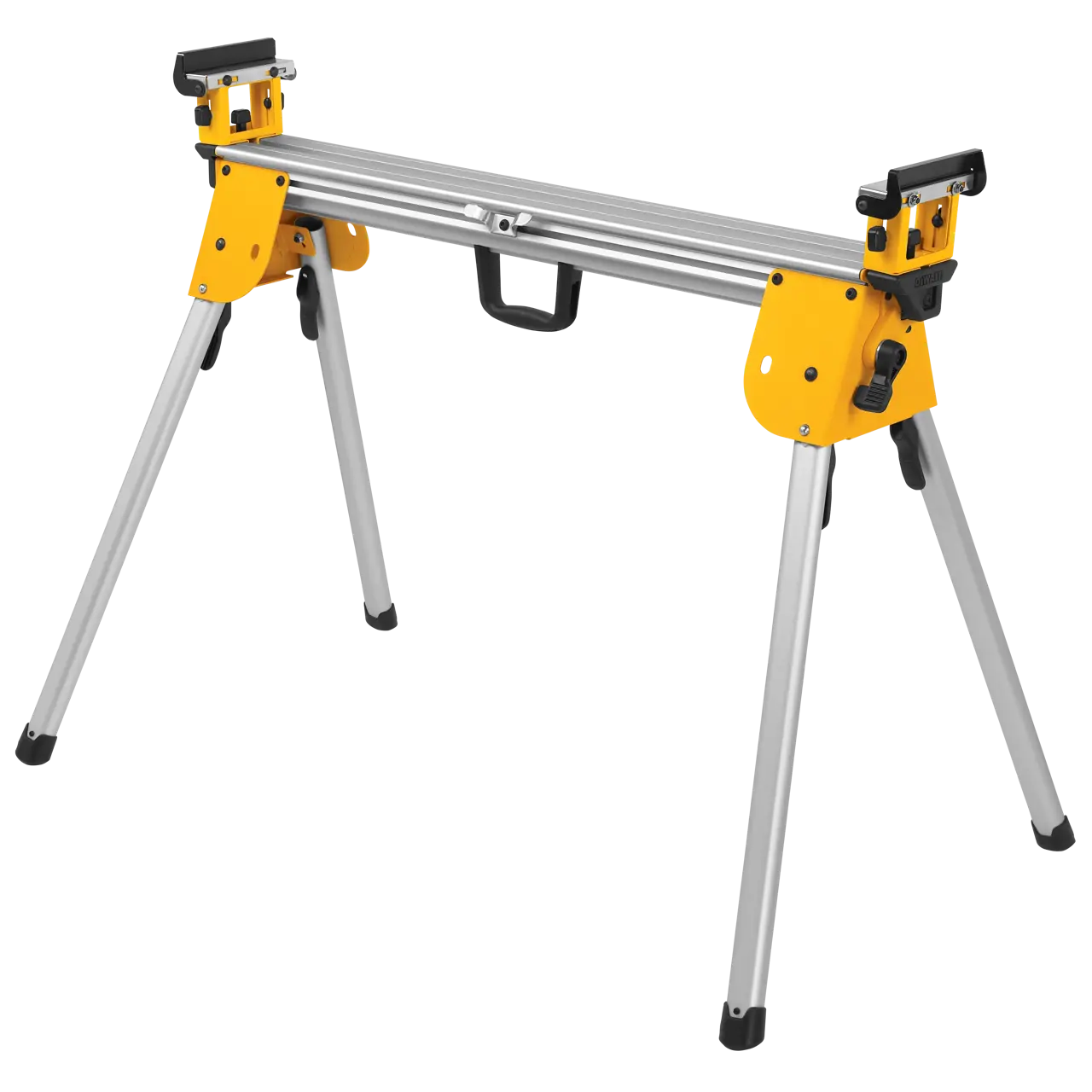
DeWalt compact miter saw stand
DWX724
Use it for: Giving the miter saw a stable station and supporting long material.
The DWX724 is a repeat purchase in our list. A useful saw setup includes the stand, mounting brackets and support for the stock.
Before you buy: Check saw and mounting compatibility, load limits and support positions. A stand is not permission to leave long material unsupported.
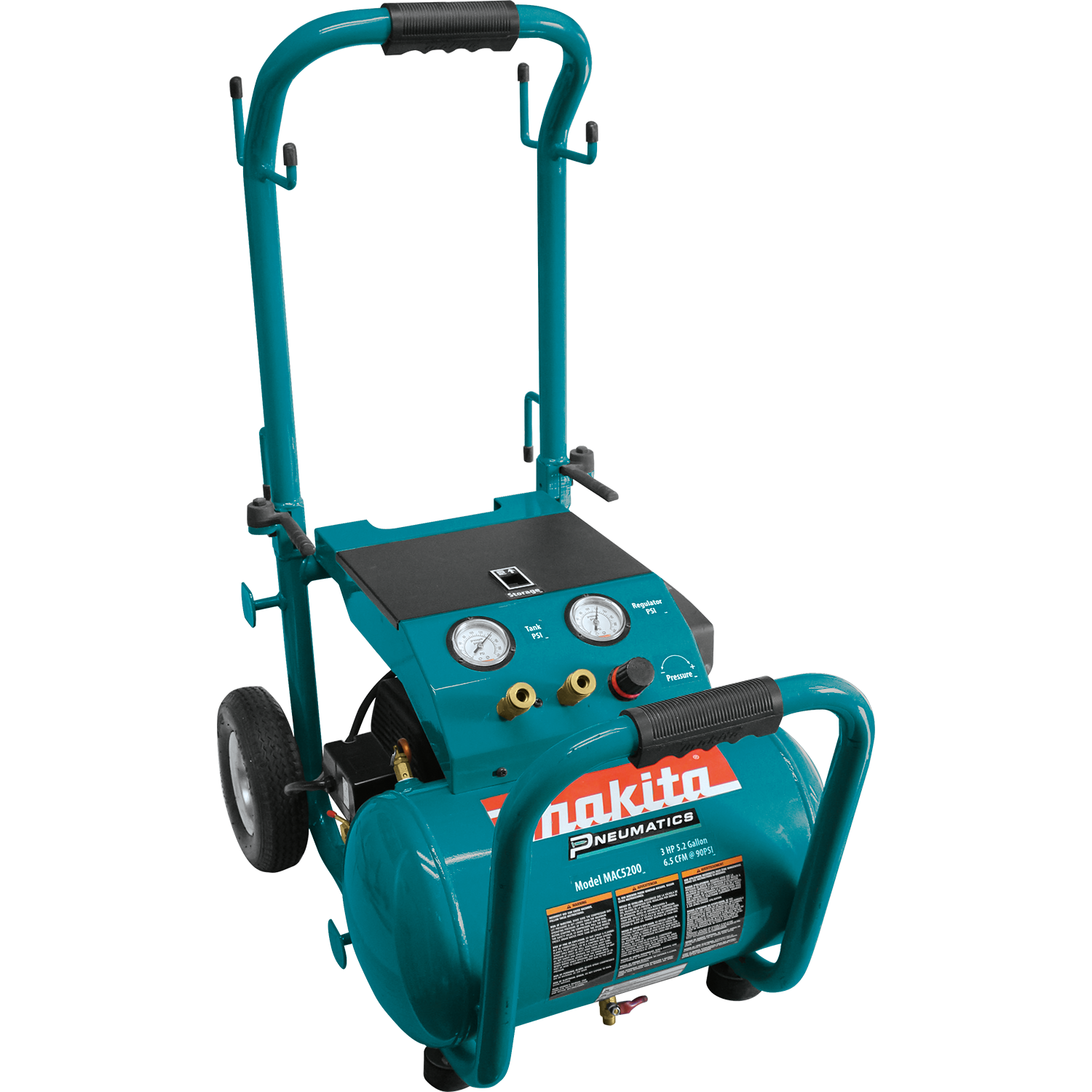
Makita Big Bore air compressor
MAC5200
Use it for: Supplying finish guns when the crew needs this size and air output.
The MAC5200 is a purchased compressor in our tool list. Consider the whole crew setup before choosing the air supply.
Before you buy: Compare delivered air, pressure, power supply and transport needs with the actual guns and number of users. Tank size alone does not tell you whether it will keep up.
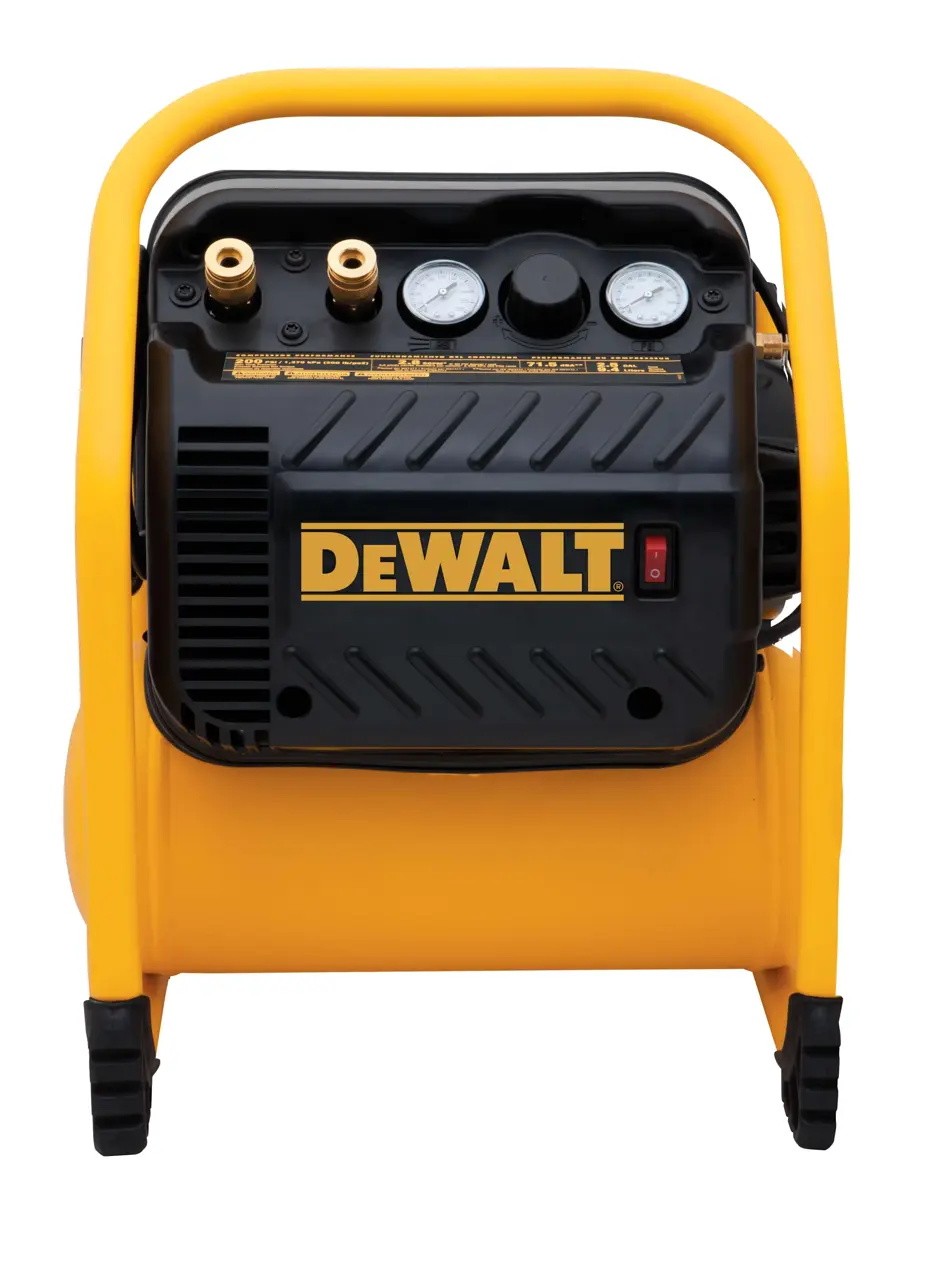
DeWalt quiet air compressor
DWFP55130
Use it for: Supplying compatible finish nailers in a compact pneumatic setup.
This 2.5-gallon compressor is in our purchased equipment. It is useful context for the smaller air setup we have bought.
Before you buy: DeWalt now lists this model as discontinued. Check remaining stock and support before buying; match delivered air at the required pressure to the guns and simultaneous demand.
Drills, drivers and layout tools
DeWalt is our main drill and impact platform; Milwaukee also appears in our tool list. Price the batteries, charger and tools together before changing platforms.
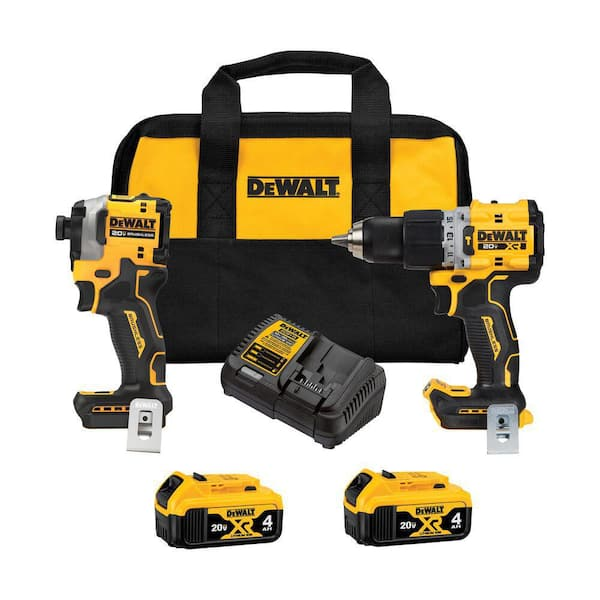
DeWalt drill and impact driver kit
DCK2050M2
Use it for: Drilling holes, driving screws and installing hardware.
DeWalt is our main drill and impact platform. This exact purchased kit pairs the two tools with batteries and a charger, so compare its complete setup cost with bare tools.
Before you buy: Check the current listing for included tools, battery capacities and charger. Use the appropriate clutch, torque setting and bit for the hardware.
Retailer product photo of the exact DCK2050M2 kit.
These are exact models from our purchase records. Use lasers only for the layout method called for by the job; a laser does not replace the guide's checks.
Before you build your kit
What should I buy first?
Start with the work you are taking on: your personal measuring and hand tools, a suitable cutting setup and the fastening tools the job needs. Plan the miter saw, stand and long-stock support together. For air tools, include the compressor and hose. Add specialty tools as the work justifies them.
Why don't you just recommend the cheapest or most expensive model?
Our target is useful capacity, dependable work and a sensible total setup cost. A cheap tool is poor value if it cannot do the job, and a premium feature is wasted money if you never use it. Existing batteries, portability, air supply and material size all affect that choice.
Do I need both pneumatic and cordless nailers?
No. Pick the setup that fits how you work. Air tools make sense at an established station with a suitable compressor. Battery guns are convenient when you move often or are doing smaller tasks. The four fastening roles still differ: 15 gauge, 18 gauge, 23 gauge and narrow-crown staples.
Are all these models the current standard on every truck?
No. This page brings together our reviewed tool choices, verified crew equipment and exact models from our purchase list. Tools vary by crew, job and battery platform. A repeat purchase helps us build the shortlist, but it is not a head-to-head performance test or a reason to replace a tool that already works.
Where can I compare the options in more detail?
Our nail guns and air guide explains fastening sizes and air setups, and our hand tools guide covers what belongs in your own bag. This page keeps the shopping picks together; use the trim-a-house workflow to connect the tools to the work.
Do these links earn a commission?
Not currently. We plan to join affiliate programs as the site grows. If that changes, we will update our disclosure and identify links that can earn a commission. You buy directly from the retailer; prices and availability can change.
Updated October 12, 2026. Picks reviewed against our crew standards and tool purchase list. Manufacturer and retailer product photos illustrate the named tools; package contents are described separately.