Skip to content
Let's Build Stuff logo featuring carpentry tools and design elements.
  • Home
  • Learn
  • Blog
  • Contact
  • About
Let's Build Stuff logo featuring carpentry tools and design elements.

How can we help you?

General Carpentry

2
  • Finish Carpentry Cheat Sheets and Printable References
  • How to Trim a House Start to Finish Like a Pro

Doors

13
  • How To Install an Exterior Finish Slab Like a Pro
  • How to Install an 8’0″ Solid Core Pre-Hung Interior Door
  • How to Install an 8’0″ Hollow Core Pre-Hung Interior Door
  • How to Install a 6’8″ Solid Core Pre-Hung Interior Door
  • How to Install a Pre-Hung Door Like a Pro
  • How to Install an Exterior Door the Right Way
  • How to Install a Cased Opening
  • Install a Pocket Door: 7 Pro Steps for a Perfect Finish
  • How to Install Bifold Doors
  • Adjust Exterior Door: 5 Essential Fixes That Actually Work
  • How to Install Barn Doors
  • How to Install Bypass Doors
  • How to Install an Interior Center-Opening or French Door

Closets

3
  • How to Build Basic Closet Shelves – Part 1 of 3 (Standards)
  • How to Build Basic Closet Shelves – Part 2 of 3 (Layout Design)
  • How to Build Basic Closet Shelves – Part 3 of 3 (Building)

Moldings

14
  • Interior Window Frame for Tall Openings (120″ and Above)
  • Interior Window Frame for Medium-Tall Openings (90″ to 119″)
  • How to Install an Interior Window Frame Like a Pro
  • Window Jamb Extension for Tall Windows (120″ and Above)
  • Window Jamb Extension for Medium-Tall Windows (90″ to 119″)
  • How to Install a Window Jamb Extension Like a Pro
  • How to Case Tall Windows (10 Feet and Above)
  • Window Casing for Medium-Tall Windows (90″ to 119″)
  • How to Build an Attic Access Cover Like a Pro
  • How to Install Baseboard Like a Pro
  • How to Install Exterior Door Casing on One Side Like a Pro
  • How to Install Base Shoe Like a Pro
  • How to Case a Window Like a Pro
  • How to Install a Door Jamb Extension Like a Pro

Stairs/Handrails

11
  • How to Build a Handrail for Metal Balusters Like a Pro
  • How to Install a Garage Step Handrail
  • How to Build Garage Steps with 3 Stringers and Closed Risers
  • How to Build Garage Steps with Closed Risers
  • How to Build Garage Steps with 3 Stringers (Open Risers)
  • How to Install Skirt Boards on a Staircase Like a Pro | Drop-In Method | 4 Easy Steps
  • How to Build a Wall-Mount Handrail Like a Pro
  • How to Mount a Handrail to the Wall Like a Pro
  • How To Install A Newel Post Like A Pro
  • Build Garage Steps with a Landing: 8 Easy Steps for Perfect Results
  • Build Garage Steps: 9-Step Expert Guide to Safe, Code-Compliant Stairs

Specialty

7
  • How to Install Shiplap on a 3-Sided Fireplace Under 10′
  • How to Install Shiplap, 0′ to 7′
  • How to Install Shiplap 4, Ceiling
  • How to Install Shiplap 3 side fireplace wrap above 15′
  • How to Install Shiplap 3 side fireplace wrap 10′-15′
  • How to Install Shiplap 3, 14’+
  • How to Install Shiplap 2, 7′ to 14′

Hardware

2
  • How to Install Bath Accessories
  • How to Install a Lockset on a Door Like a Pro | 4 Easy Steps
  • Home
  • Learn
  • Doors
  • How to Install a Cased Opening
View Categories

How to Install a Cased Opening

Doors #

Skill Level: Beginner (Level 1) #

Estimated Time: 30-60 Minutes #

Introduction #

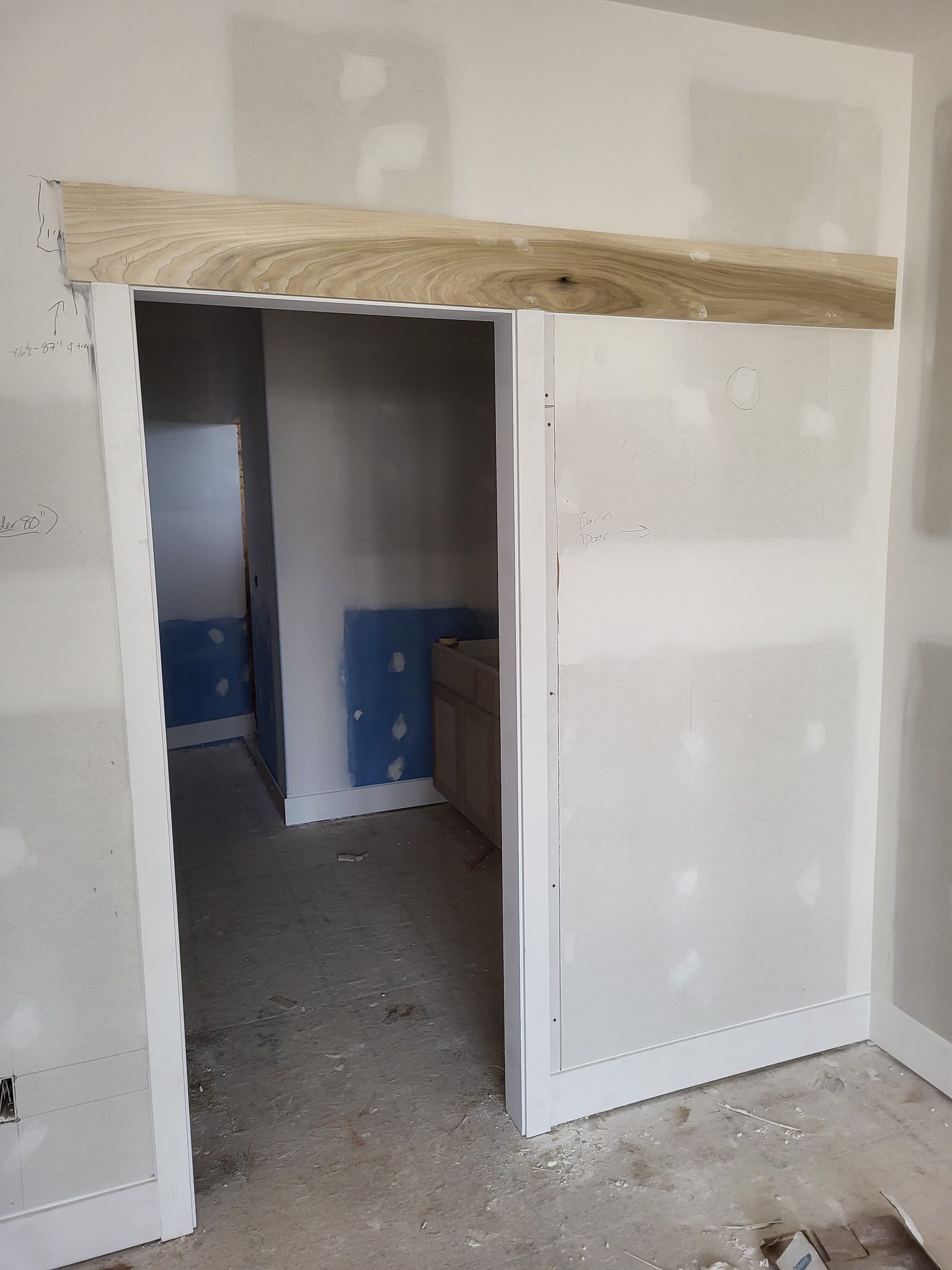
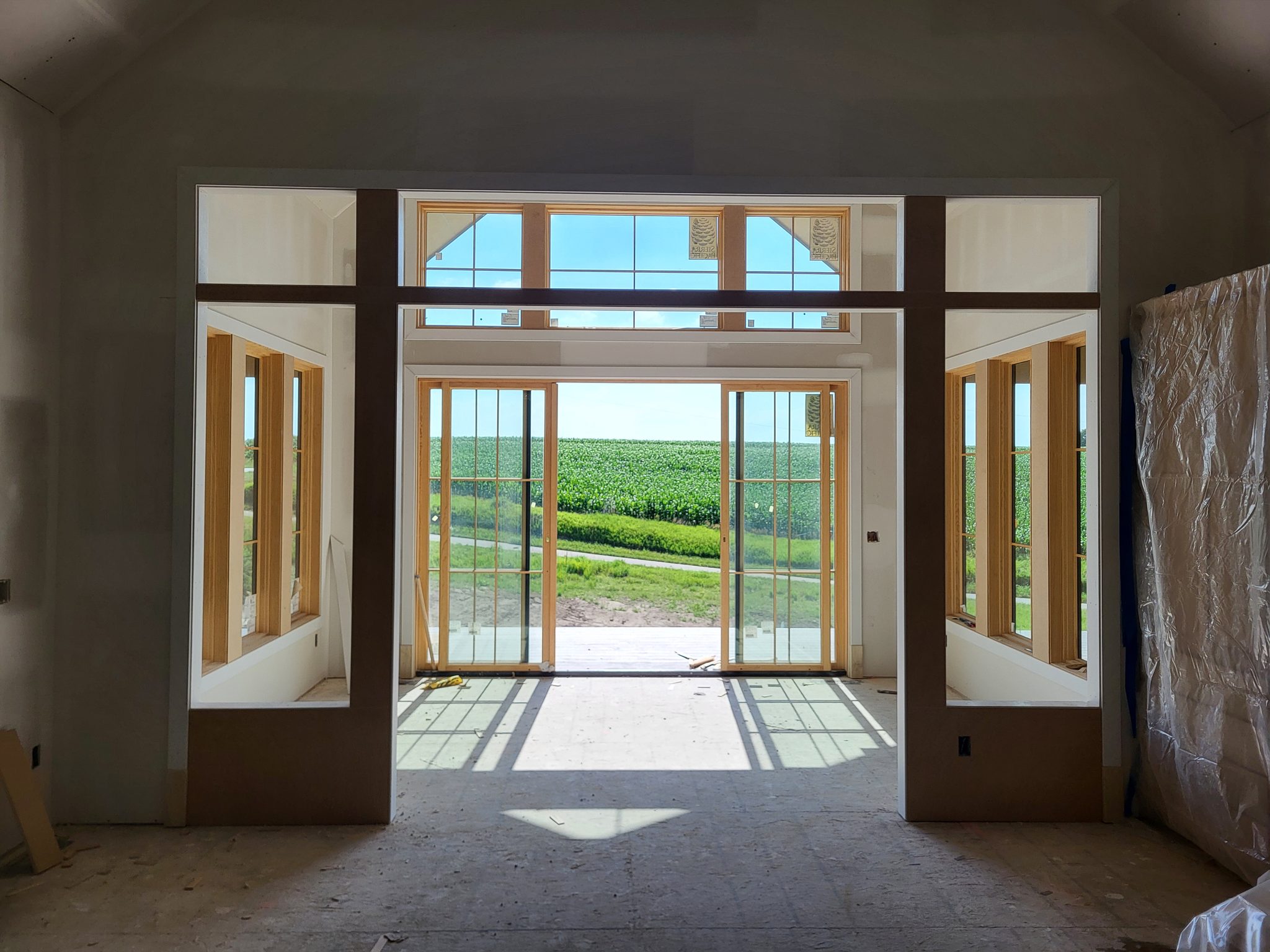
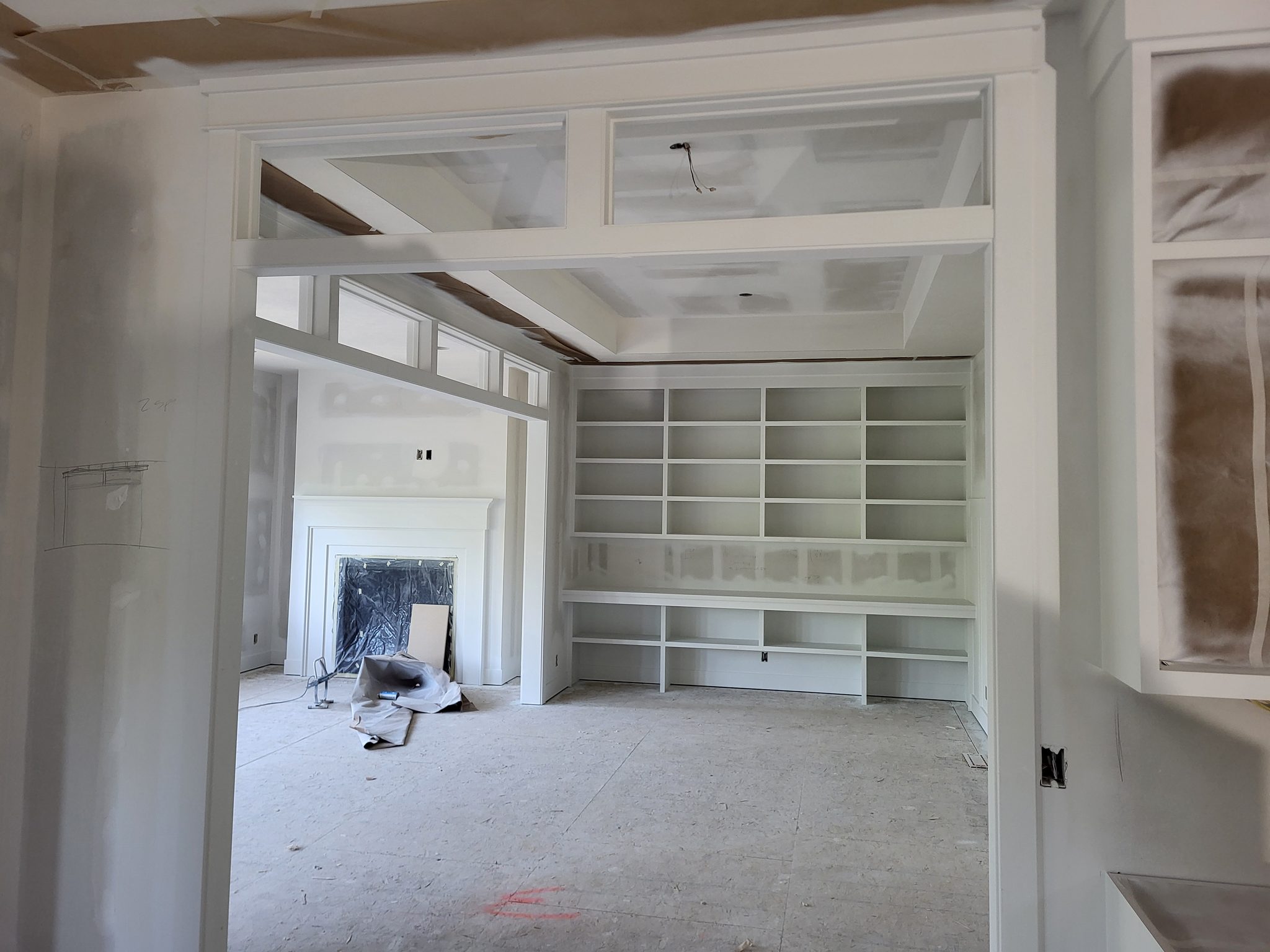
A cased opening is simply a doorway or pass-through without a door — the opening is trimmed with casing (molding) on both sides to create a clean, finished look. There is no door slab, no hinges, and no hardware. The goal is to frame the opening so it looks intentional and polished rather than like something was left unfinished.

Cased openings are common between living rooms and dining rooms, kitchens and breakfast nooks, or hallways where a door isn’t needed but you still want a defined transition between spaces. They help create visual separation between rooms while keeping things open and connected.

The key to a professional cased opening is consistent reveals, tight miter joints, and ensuring the jamb material (if used) or drywall returns are clean and straight. Take your time with the layout and measuring — the installation itself is straightforward once everything is set up correctly.

📷 Photo Needed

Completed install a cased opening — finished result showing professional quality

Before You Begin #

Prerequisites #

  • Opening is fully framed (header, jack studs, king studs in place)
  • Drywall is complete on both sides of the opening
  • Casing material has been selected to match the rest of the house
  • Flooring is installed (or you know the finished floor height)
  • Family Handyman: Casing and Trim Installation — External resource with additional techniques for installing casing and trim around openings

What You Need To Know #

Some cased openings get a “jamb” — 1x material that wraps the inside of the opening from one side of the wall to the other. Other cased openings are just drywall returns with corner bead, where the drywall wraps around the inside of the opening and the casing is applied directly against the drywall edge. Know which style your job calls for before you start.

If you’re using a jamb, the jamb width must match the wall thickness exactly. Measure the wall thickness carefully — it can vary from one spot to another, especially in older homes. Casing is then applied the same way as door casing, with a consistent reveal (typically 3/16″ to 1/4″) from the edge of the jamb to the inside edge of the casing.

Tools Required #

Power Tools #

  • Miter saw
  • 18-gauge brad nailer
  • Table saw (if ripping jamb material to width)

Hand Tools #

  • Tape measure
  • Pencil
  • Square
  • Utility knife
  • Level (4-foot preferred)

Supplies #

  • 18-gauge brad nails (1-1/2″ and 2″)
  • Wood glue
  • Paintable caulk
  • Spackle or wood filler
  • Sandpaper (120- and 220-grit)

Materials #

  • Jamb material — 1x pine or MDF, ripped to match wall thickness
  • Casing — profile to match the rest of the house
  • Header piece (if doing a decorative head casing)

📷 Photo Needed

Tools and materials laid out for installing a cased opening — everything needed before starting

Cased Opening Installation Process #

Step 1: Measure the Opening #

Start by measuring the width and height of the rough opening. Measure at the top, middle, and bottom for width, and on both sides for height. Record the smallest measurement for each — this is what you’ll work to.

Check the opening for square by measuring diagonally from corner to corner. If the two diagonal measurements are within 1/8″, the opening is square enough. If not, note which direction it’s out — you may need to adjust your jamb or casing to compensate.

Measure the wall thickness at multiple points around the opening — top, bottom, and both sides. Walls aren’t always consistent, especially in older homes or where different framers worked. Record all measurements so you can rip your jamb material to the correct width.

📷 Photo Needed

Measure the Opening — showing the key action and what the result should look like

Step 2: Install Jamb Material (If Required) #

If your cased opening calls for a jamb, rip your 1x stock (pine or MDF) to match the wall thickness. The jamb needs to sit perfectly flush with the drywall on both sides of the wall — not proud, not recessed.

Install the head jamb (top piece) first. Cut it to the width of the opening, set it in place, check it for level, and shim as needed. Nail through the jamb into the header framing with 2″ brad nails or finish nails.

Next, install the side jambs. Cut them to fit snugly between the floor and the underside of the head jamb. Check each one for plumb with your level. Shim behind the jamb at the nail points to keep it straight, then nail through the jamb and shims into the jack studs.

After all three jamb pieces are installed, double-check that the jamb faces are flush with the drywall on both sides. Run your hand across the transition from drywall to jamb — you shouldn’t feel a lip or a gap.

Pro Tip: If the wall thickness varies (common in older homes), rip the jamb to the WIDEST measurement and plane or sand the narrower spots flush with the drywall. A jamb that’s proud of the drywall can always be sanded down. A jamb that’s recessed behind the drywall creates a visible gap under the casing that’s much harder to fix.

📷 Photo Needed

Install Jamb Material (If Required) — showing the key action and what the result should look like

Step 3: Install Head Casing #

Always start with the head (top) casing piece. This is the same approach used for door casing — top first, then sides.

For a butt joint style (where side casing butts into the bottom of the head casing), cut the head casing square on both ends. The length should equal the width of the opening plus the casing width on each side, plus the reveal on each side. For example, if your opening is 36″ wide, your casing is 3-1/2″ wide, and your reveal is 3/16″, the head casing length would be 36″ + 3-1/2″ + 3-1/2″ + 3/16″ + 3/16″ = 43-3/8″.

For mitered casing, cut 45-degree miters on both ends of the head piece. Position the casing with a consistent reveal (3/16″ to 1/4″) from the edge of the jamb. Use a combination square set to your reveal dimension as a guide — run it along the jamb edge and keep the casing lined up with it.

Nail the head casing in place with 18-gauge brad nails. Place nails every 12-16 inches, driving them through the casing into the framing behind the drywall.

📷 Photo Needed

Install Head Casing — showing the key action and what the result should look like

Step 4: Install Side Casing #

Measure from the finished floor to the bottom edge of the head casing (for butt joints) or to the short point of the miter on the head casing (for mitered joints). Cut your side pieces to length.

Hold each side piece in position, maintaining the same reveal you used on the head casing. The reveal should be consistent all the way around — this is what makes the finished product look professional. Nail in place with 18-gauge brads.

Repeat on the other side of the wall. A cased opening has casing on BOTH sides — that’s 4 side pieces and 2 head pieces, for a total of 6 casing pieces (or 8 if you count each piece individually: 2 head pieces and 4 side pieces across both sides).

Pro Tip: For cased openings, you’re installing casing on BOTH sides of the wall — that means 6 to 8 pieces total depending on your counting method. Cut all matching pieces at the same time to ensure consistency. If you cut both head pieces together and all four side pieces together, you eliminate small measurement differences that become noticeable when you see both sides of the opening at once.

📷 Photo Needed

Install Side Casing — showing the key action and what the result should look like

Step 5: Fill, Caulk, and Final Touches #

Once all casing is nailed in place, fill every nail hole with lightweight spackle or wood filler. Use your finger or a small putty knife to press the filler in and wipe off the excess.

Run a bead of paintable caulk along the joints where the casing meets the wall. This fills any small gaps and creates a seamless transition. Smooth the caulk with a wet finger for a clean line.

If you have mitered joints, check them for any gaps. If a miter has opened slightly, apply a small amount of wood glue into the joint and pin it closed with a brad nail driven across the joint at an angle.

Allow filler and caulk to dry completely, then sand the filled nail holes smooth with 220-grit sandpaper. The opening is now ready for primer and paint.

📷 Photo Needed

Fill, Caulk, and Final Touches — showing the key action and what the result should look like

Cased Opening Quality Check #

  • ✅ Jamb flush with drywall on both sides
  • ✅ Consistent reveal on all casing pieces
  • ✅ Miters/joints tight with no gaps
  • ✅ Casing level and plumb
  • ✅ Both sides of opening match
  • ✅ Nail holes filled
  • ✅ Caulk lines clean

📷 Photo Needed

Completed install a cased opening — close-up detail shots showing quality criteria being met

Troubleshooting #

Casing doesn’t sit flat against the wall #

The wall may be bowed or uneven. Place a straightedge against the wall around the opening to find high and low spots. Shim behind the casing at the nail points to bring it out to the high spots, then caulk the gaps at the low spots. Forcing the casing tight to a bowed wall will cause it to bow as well, which looks worse than a small caulk line.

Jamb wider or narrower than the wall #

Re-measure the wall thickness and re-rip the jamb material. If the jamb is only slightly proud (sticking past the drywall), you can sand or plane it flush. If it’s recessed, you’ll need to remove it and rip a wider piece. There’s no good way to shim a jamb that’s too narrow — it needs to be the right width.

Miter joints opening up #

Wood moves with humidity changes, and miters are especially prone to opening up. Apply wood glue into the joint, press it closed, and pin it with a brad nail driven across the joint (from one piece into the other) to lock it together. For paint-grade work, you can also fill small gaps with caulk. For stain-grade work, use color-matched wood filler.

Reveal is inconsistent #

An inconsistent reveal usually means the jamb isn’t straight. Remove the casing, hold a straightedge against the jamb, and look for bows or twists. Add shims behind the jamb where it’s recessed and re-nail. Once the jamb is straight, re-install the casing with a consistent reveal using a combination square as your guide.

Related Guides #

  • How to Case a Window
  • How to Install a Pre-Hung Door
  • Finish Trim Carpentry
Level 1
What are your Feelings

Share This Article :

  • Facebook
  • X
  • LinkedIn
  • Pinterest
Still stuck? How can we help?

Still stuck? How can we help?

Updated on February 28, 2026
How to Install an Exterior Door the Right WayInstall a Pocket Door: 7 Pro Steps for a Perfect Finish

Leave a Reply Cancel reply

Your email address will not be published. Required fields are marked *

Table of Contents
  • Doors
    • Skill Level: Beginner (Level 1)
      • Estimated Time: 30-60 Minutes
  • Introduction
  • Before You Begin
    • Prerequisites
    • What You Need To Know
  • Tools Required
    • Power Tools
    • Hand Tools
    • Supplies
    • Materials
  • Cased Opening Installation Process
    • Step 1: Measure the Opening
    • Step 2: Install Jamb Material (If Required)
    • Step 3: Install Head Casing
    • Step 4: Install Side Casing
    • Step 5: Fill, Caulk, and Final Touches
  • Cased Opening Quality Check
  • Troubleshooting
    • Casing doesn't sit flat against the wall
    • Jamb wider or narrower than the wall
    • Miter joints opening up
    • Reveal is inconsistent
  • Related Guides

© 2026 Let's Build Stuff - WordPress Theme by Kadence WP

  • Home
  • Learn
  • Blog
  • Contact
  • About